







7 Skin Tips I Got From The Esthetician Behind The BAFTAs’ Most Iconic Faces
All linked products are independently selected by our editors. If you purchase any of these products, we may earn a commission.
Keren Bartov has magic hands — it’s the only explanation for why I left her treatment room with the glowiest skin of my life. But don’t just take my word for it: she’s the celebrity esthetician behind some of the dewiest skin at the BAFTAs over the weekend, including Teyana Taylor, Jessie Buckley, and Kate Hudson. No wonder she’s in such high demand — Bartov’s skincare knowledge is exceptional, and she knows exactly how to make skin look its best under the spotlight.
Bartov is so sought after that she has a four-storey, state-of-the-art facial clinic in London's Notting Hill. Her clinic might be hi-tech (it promises more beep-boop machines than you could imagine), but Bartov believes it's how you take care of your skin at home that really matters.
AdvertisementADVERTISEMENT
With that in mind, here are all the smart skincare rules I learned from Bartov and her team during a facial treatment.
Don't sleep on your cleansing routine
Cleansing your skin effectively is the best thing you can do for it, according to Bartov. If you're not lifting away your sunscreen, makeup, and all of the grime you've collected throughout the day, any skincare you apply in the evening won't work to the best of its ability — and that's a serious waste of both product and money.
Before you do anything, Bartov suggests washing your hands for at least 30 seconds. "Otherwise you're putting bacteria all over your skin when you want to be washing it off — and that makes no sense at all," she says. Bartov adds that this step is especially important for those with acne-prone skin, as oil and dirt can easily clog pores.
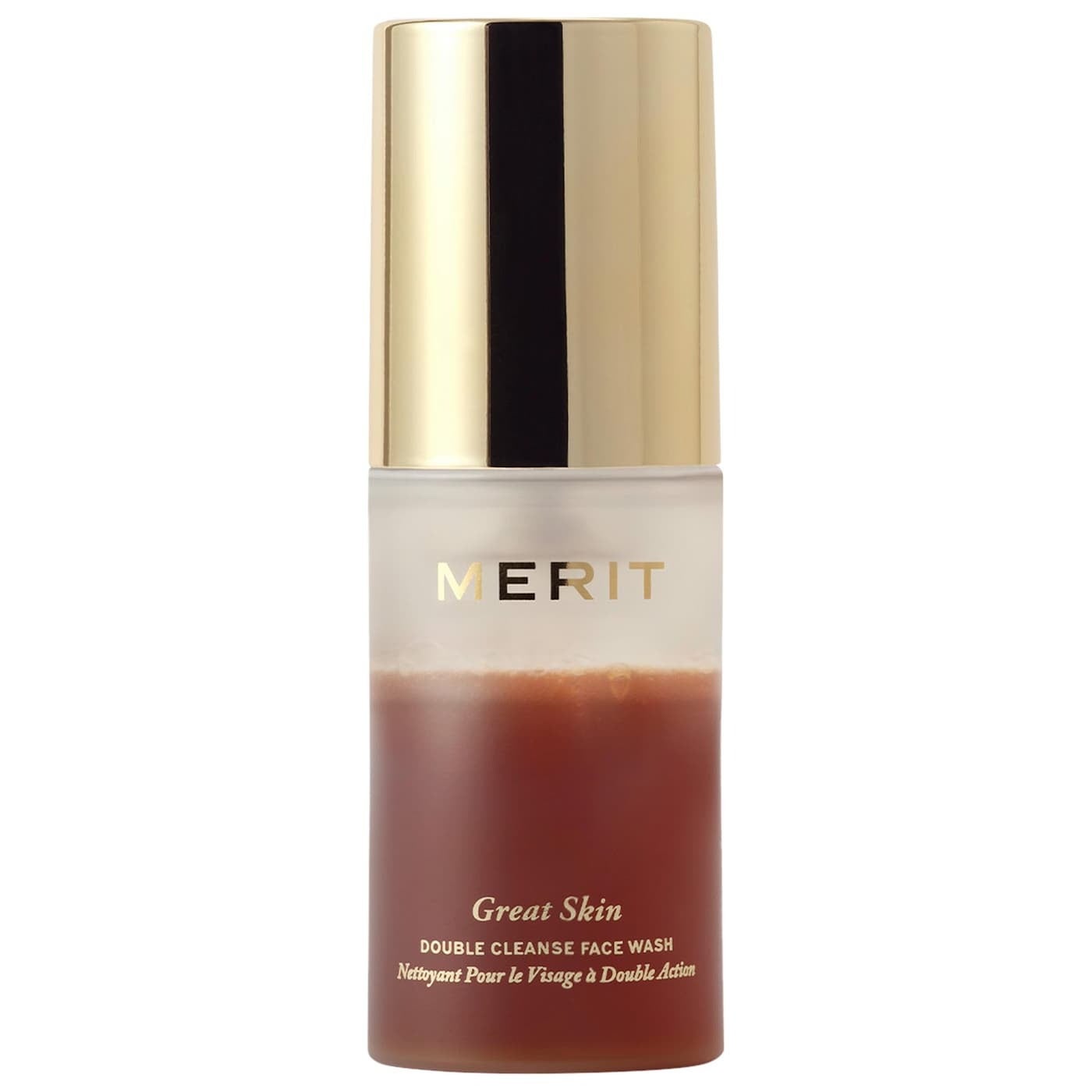
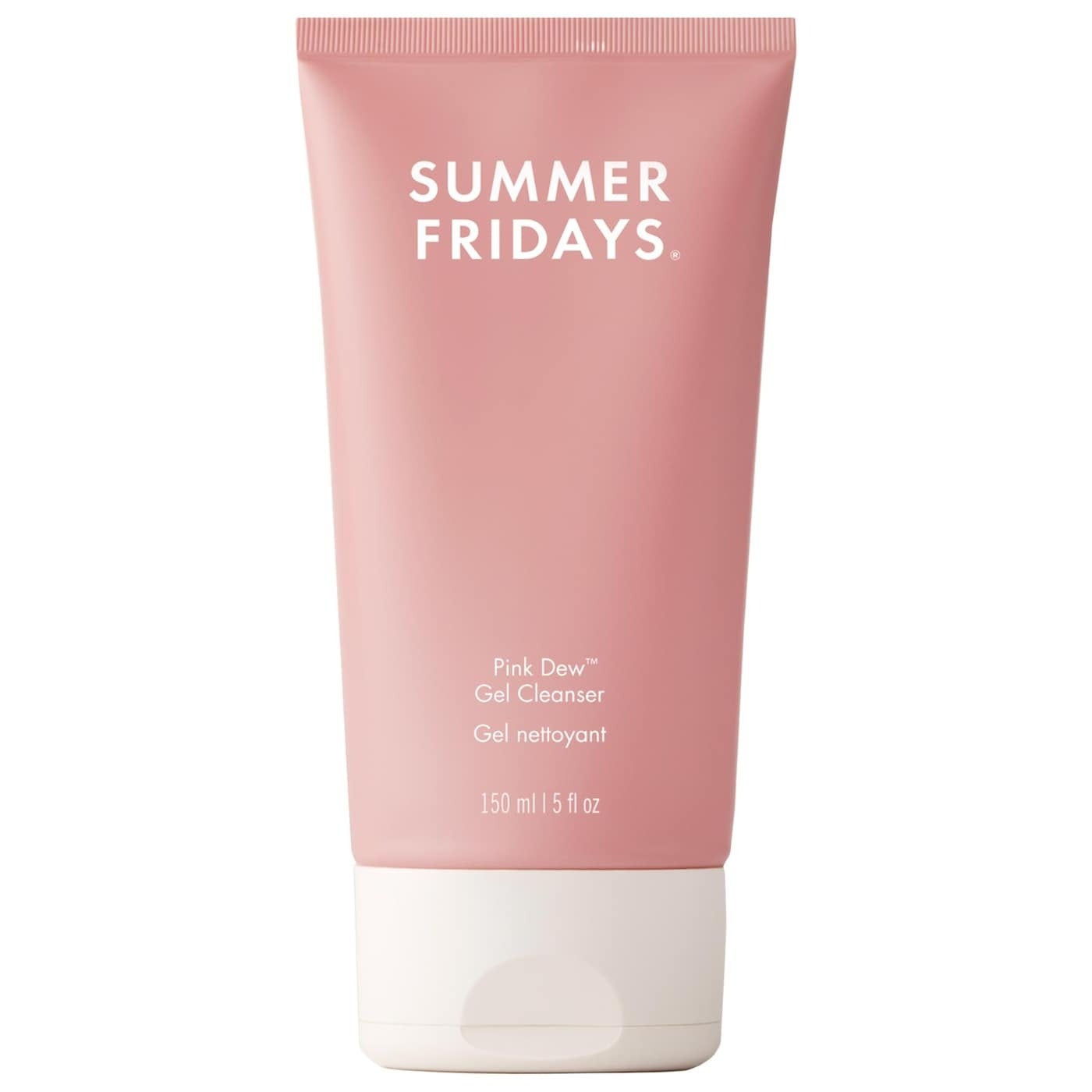
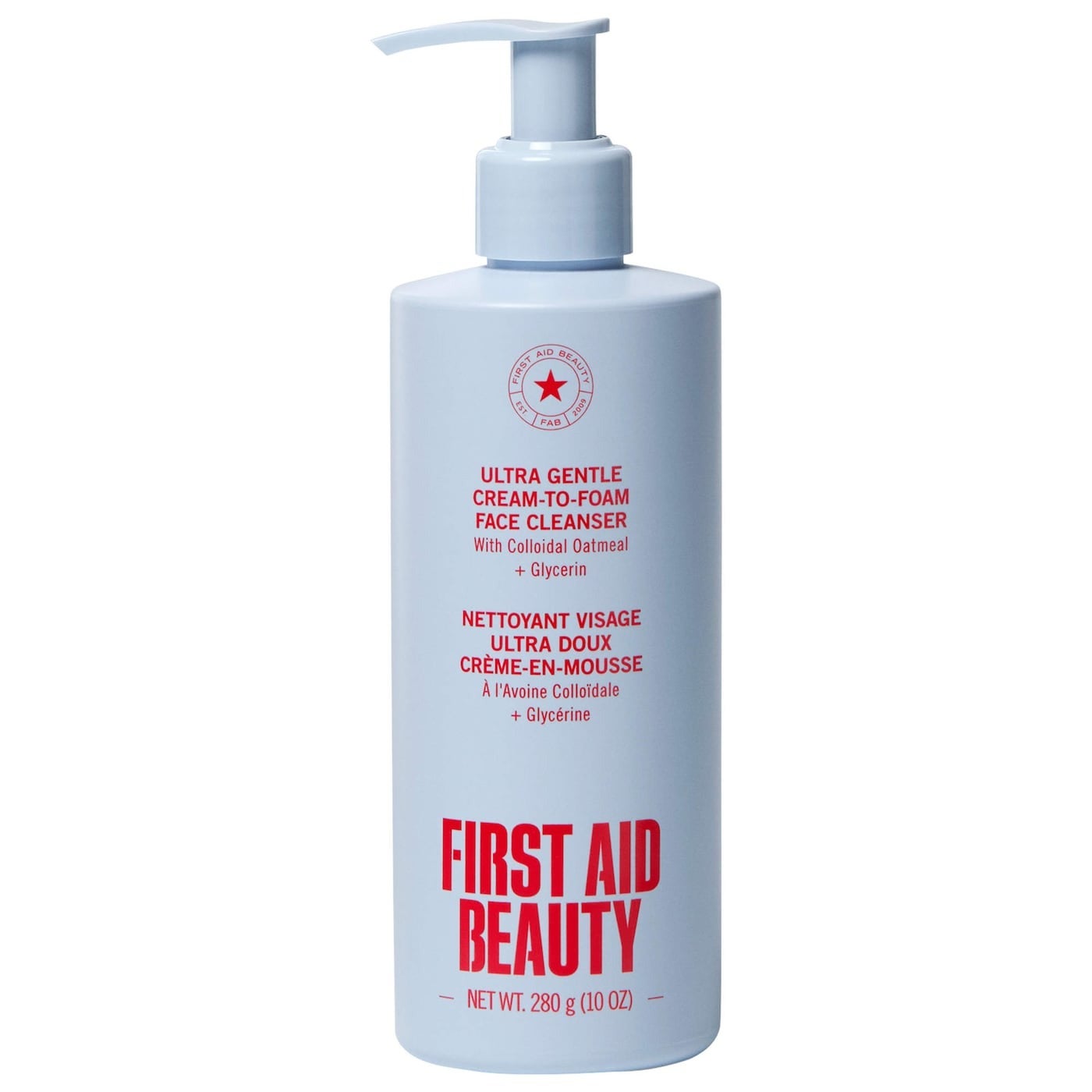
Simple is best, too. Bartov doesn't enlist fancy cleansing devices, nor flannels or cloths. Your fingers are the best tools for the job. She recommends double cleansing at the end of the day (washing your face once and following up with a second cleanse, or using micellar water to remove makeup and then doing a proper, water-based cleanse) for at least a minute each time.
These ingredients are the best for breakouts
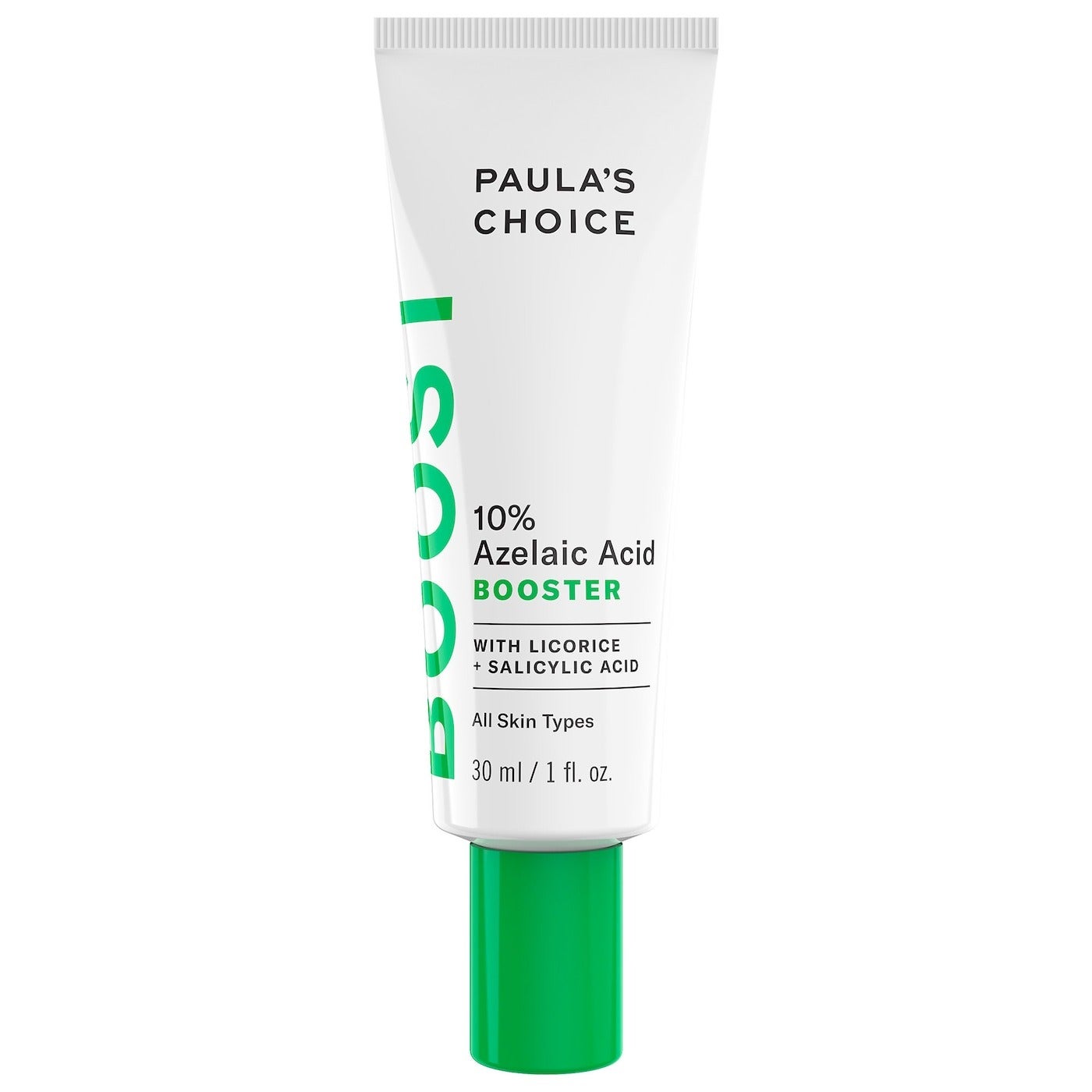
The benefits of exfoliating acids on acne-prone skin (for both preventing breakouts and minimizing the skin staining left behind) are well known, but it's how you use them that matters. I often have blackheads, whiteheads, and little under-the-skin pimples, so Bartov layered salicylic acid (which exfoliates deep inside the pore to prevent breakouts) and azelaic acid (another exfoliating acid, which reduces redness and minimizes pigmentation over time).
AdvertisementADVERTISEMENT
Look for smart products that contain both, like Paula's Choice 10% Azelaic Acid Booster, which can be combined with a simple moisturizer.
Wait for your skincare to absorb
Bartovs clinician said that patience is a virtue when layering serums and moisturizers. She suggested waiting at least three minutes between applying each skincare product so as not to disturb it on the skin and to give it time to fully absorb and work its magic. If it means you have to brush your teeth or tinker around the bathroom for a moment, that's fine. It's worth it to get the most out of your skincare. And always take any excess product right down to your neck and chest area, which Bartov said is often neglected.
Try these three ingredients for rejuvenated skin all year round
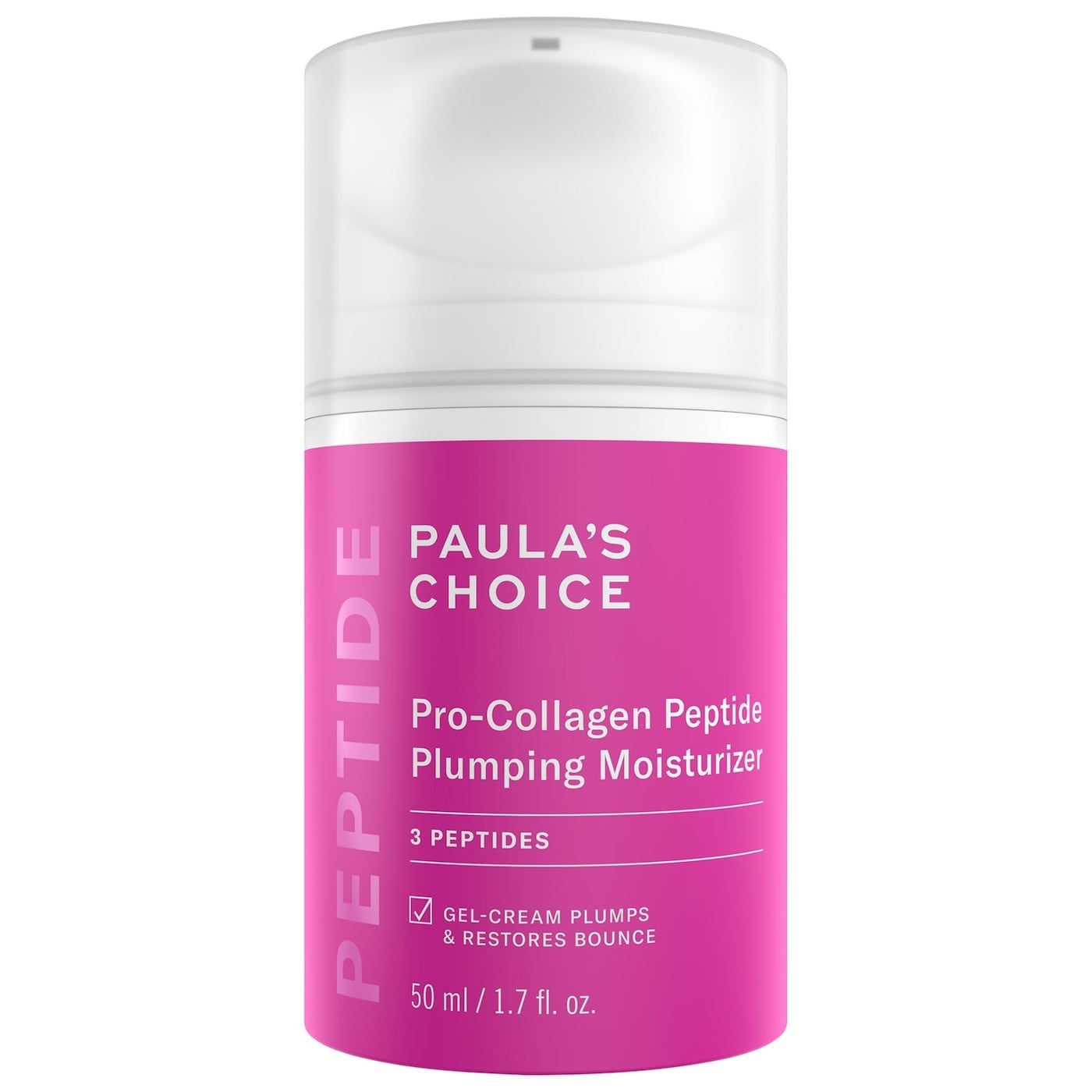
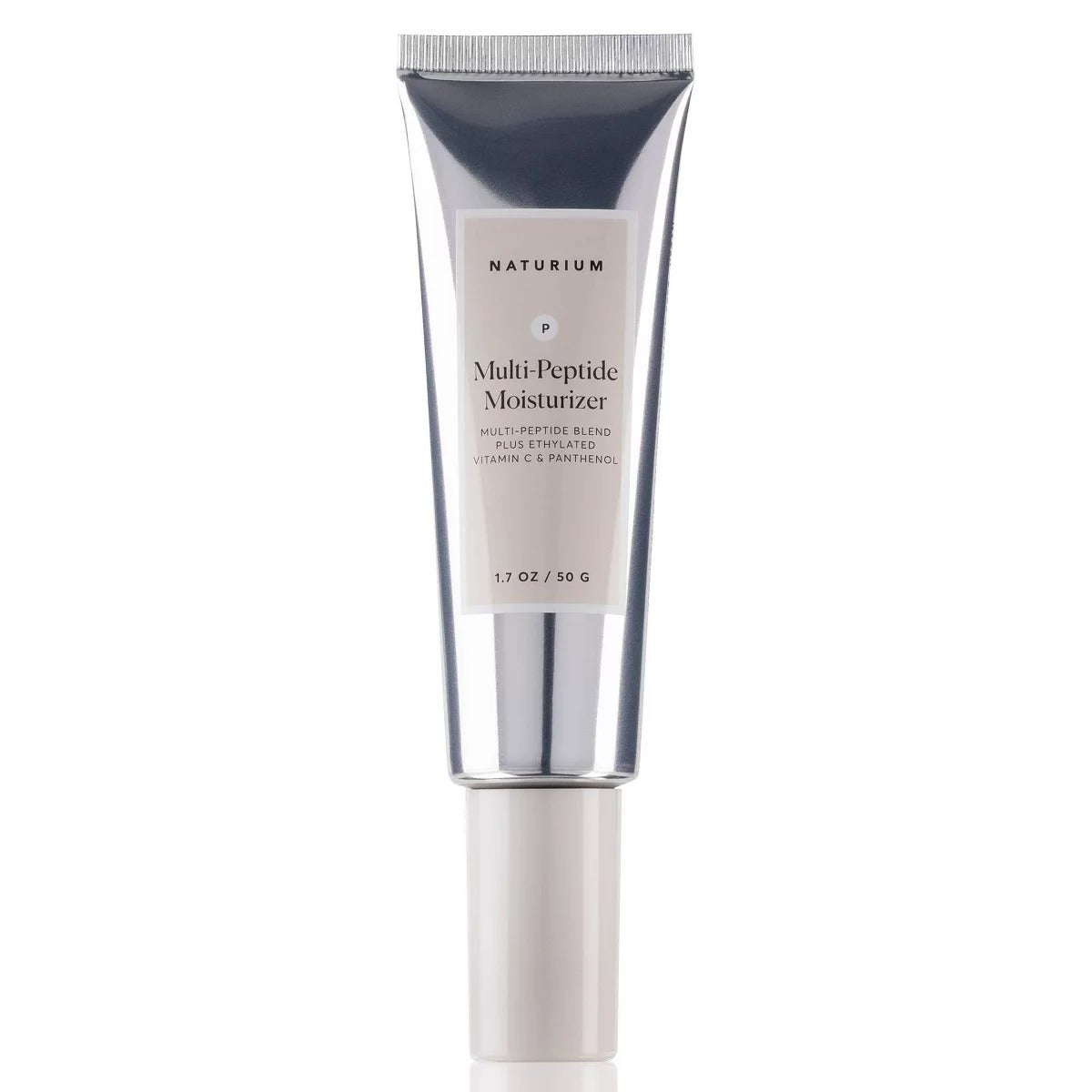
Peptides (essentially skin-repairing proteins) are sneaking into all kinds of skincare products lately, particularly moisturizers, and they are tolerated well across the board. R29 rates Naturium Multi-Peptide Moisturizer, which hydrates, moisturizes, and protects skin. It also features vitamin C to shield against pollution.
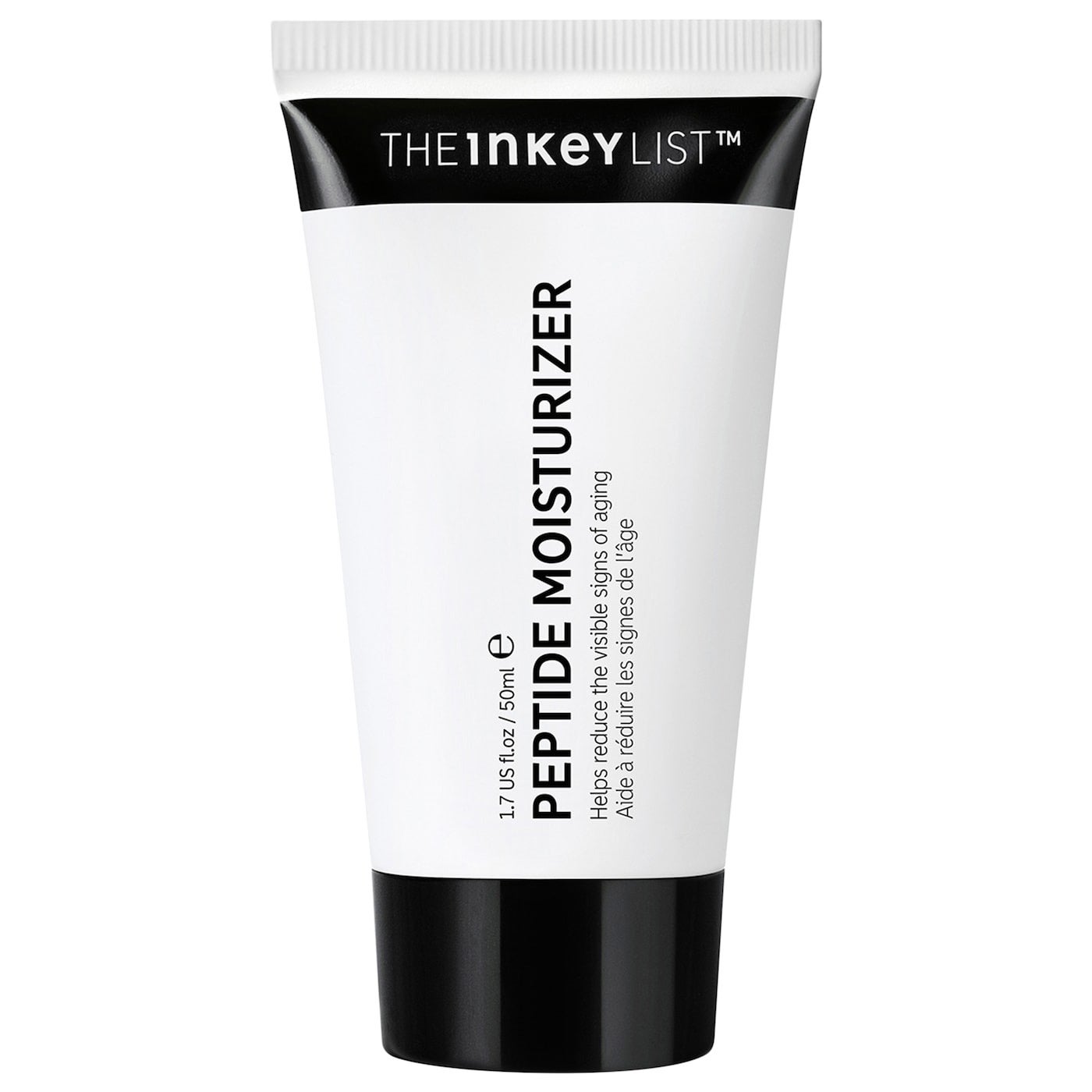
If you're already using a vitamin C serum that you love, follow it up with The Inkey List Peptide Moisturizer, or Paula's Choice Pro-Collagen Peptide Plumping Gel-Cream Moisturizer, both of which can be used in the morning and the evening.
AdvertisementADVERTISEMENT
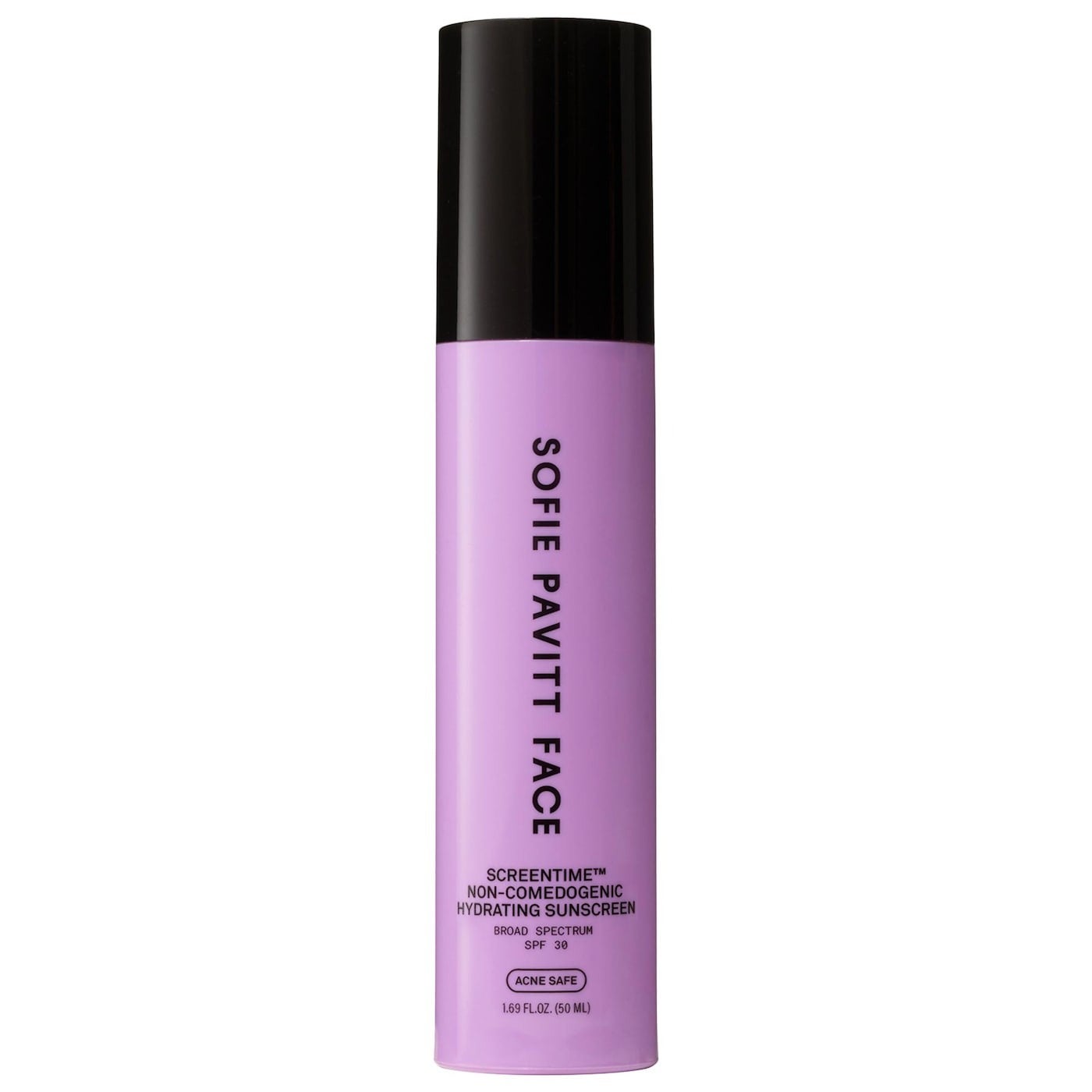
If you're using retinol at night, be sure to wear a broad-spectrum, high-factor sunscreen during the daytime, as retinol can make skin sensitive to sunlight.
Avoid this one thing if you're prone to breakouts
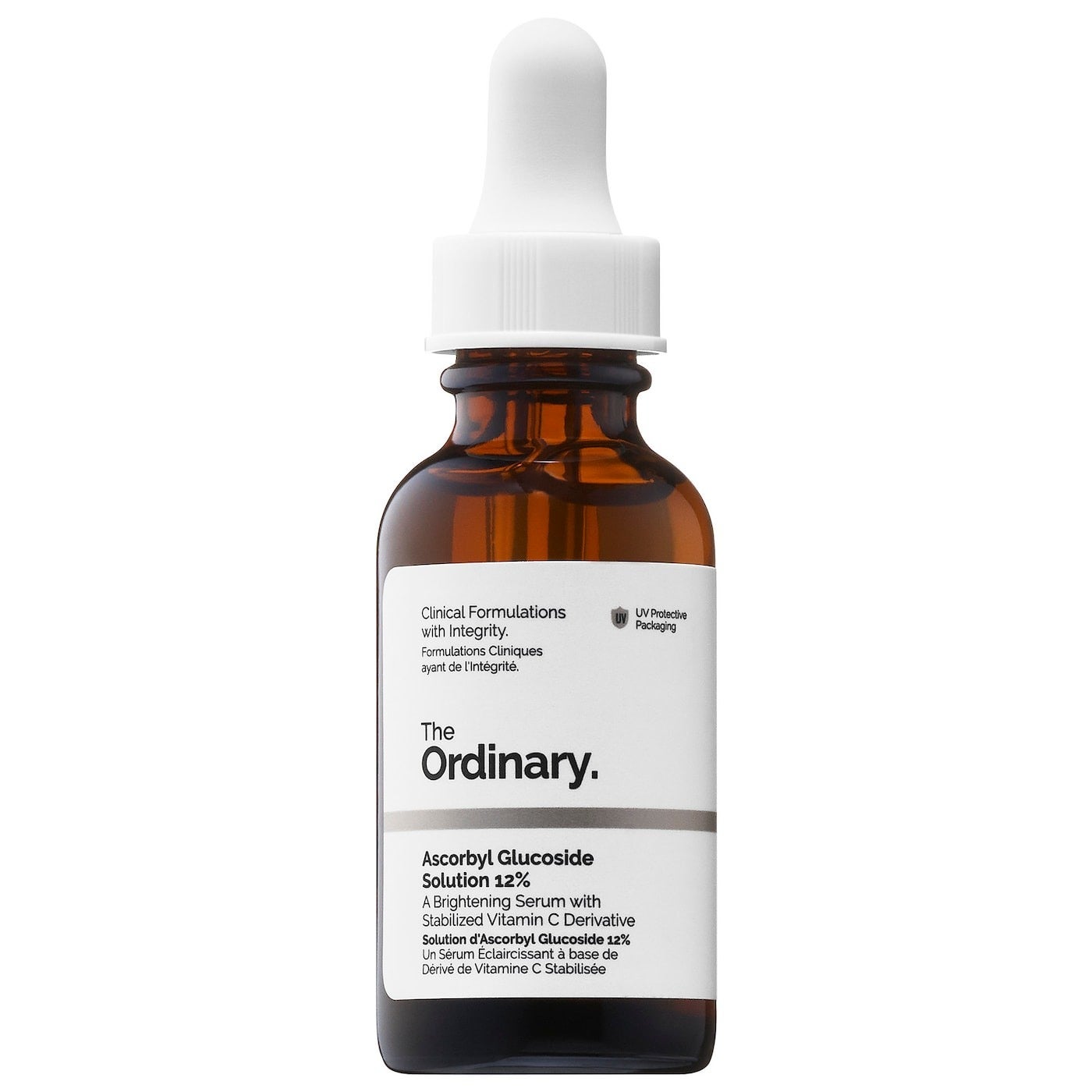
As Bartov mentioned earlier, vitamin C is a brilliant ingredient for protecting skin against pollution and other environmental aggressors, as well as minimizing pigmentation and skin staining. But if you have active breakouts, Bartov suggests avoiding it altogether. L-ascorbic acid is currently a popular form of vitamin C as it's really potent, but it could irritate in the form of stinging or burning, particularly on open skin. It can be especially irritating at higher concentrations.
While vitamin C is unlikely to make your breakouts worse (or cause them, for that matter), it can make your skin even more sensitive. If you really want to try it, skip the strong stuff and go for something like ascorbyl glucoside, which is derived from vitamin C. I love The Ordinary Ascorbyl Glucoside Solution 12%. Make sure it's oil-free.
Take sun safety seriously
Bartov is the first to admit that she enjoys a handful of vices in life and doesn't believe in cutting out certain foods or drinks. But basking in the sun is a no-go. Not only does it accelerate the aging process, but it's linked to skin cancer.
"I personally enjoy my life," said Bartov, "but I use products on my skin which stop these free radicals," — including UV rays and cigarette smoke if you're around smokers. Vitamin C is a good shield, and when she's outside in summer, Bartov tops up her sunscreen every two hours. If you're spending time outside in the winter (even just exercising for an hour or heading out on a walk), sunscreen is also a great shout, as UVA rays can penetrate clouds.
AdvertisementADVERTISEMENT
Facial treatments are an investment
Lastly, home skincare is not to be underestimated. But if you're experiencing gripes like persistent breakouts or pigmentation, for example, you might like to give a pro treatment a go — budget depending. Bartov specializes in acne, pigmentation, and skin rejuvenation, and while she enlists lasers and lights to enhance the skin, she doesn't offer injectables like Botox. Nor has she had Botox injections herself.
Considering the cost, you'd expect the results of a professional facial to be instant. But I learned that it can take two to three weeks to see the full effects of most treatments. In other words, patience is key.
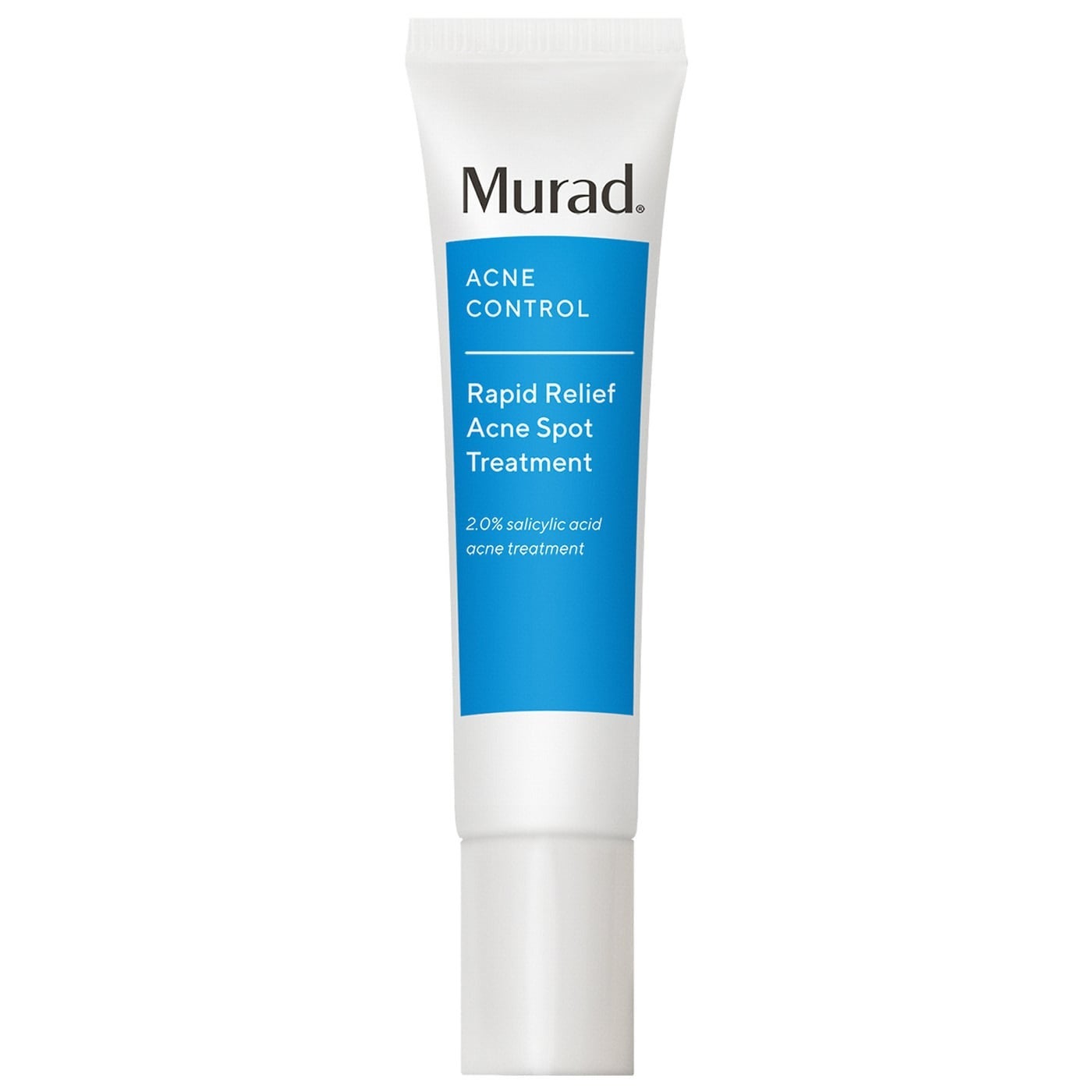
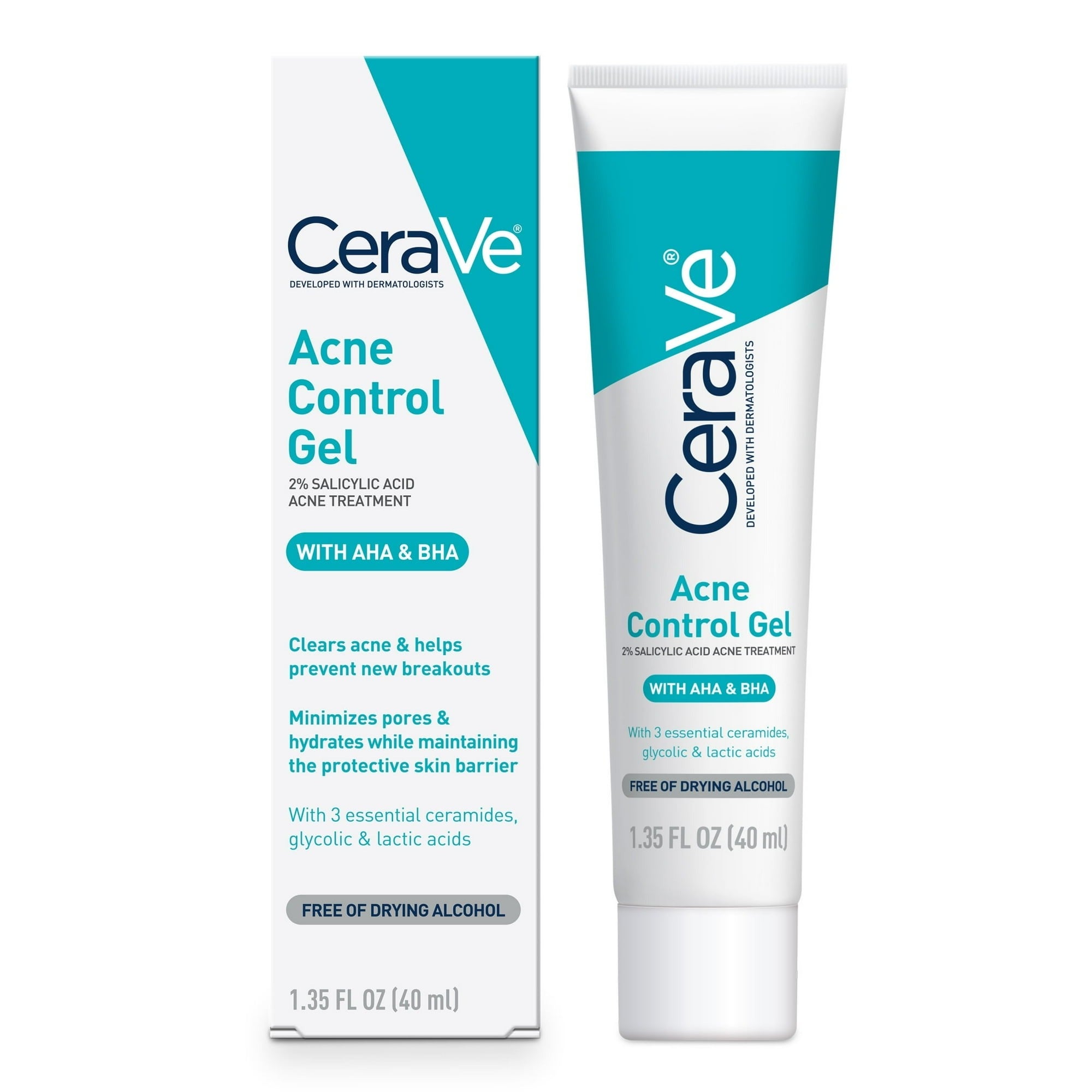
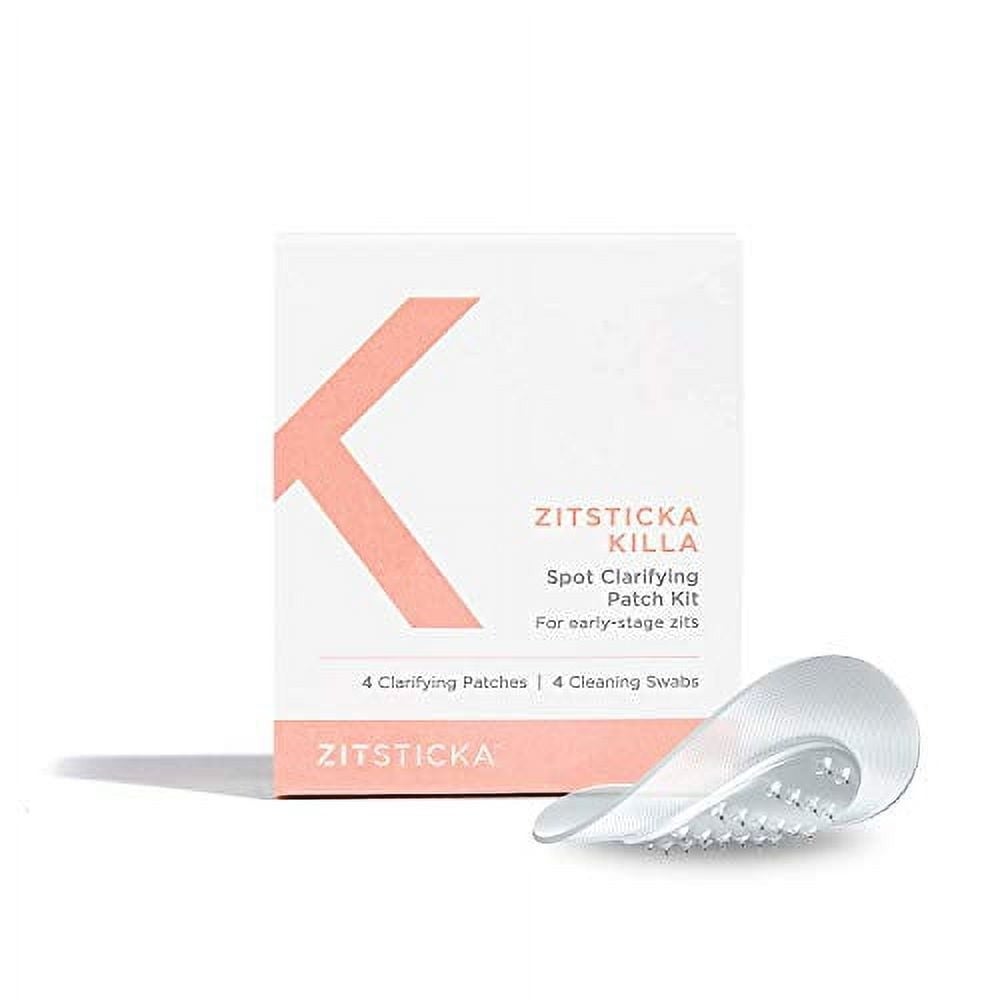
One thing Bartov would always recommend leaving to the professionals is pore extraction, using either metal tools or your hands. Digging at pimples and blackheads could push bacteria sitting on your skin deep inside pores, potentially making the breakout worse and causing scarring or pigmentation. Bartov suggests layering a spot treatment on top of any breakout (big or small) to bring it down, and letting your face do the rest naturally. Try Murad Rapid Relief Acne Spot Treatment, which contains spot-busting salicylic acid, Zitsticka Killa patches, or CeraVe Blemish Control Gel, with salicylic acid and oil-reducing niacinamide.
AdvertisementADVERTISEMENT