







A Dermatologist Told Me To Make These 7 Skincare Resolutions In 2026
All linked products are independently selected by our editors. If you purchase any of these products, we may earn a commission.
Photo by KoolShooters via Pexels
Every January, I set big intentions: drink twice as much water, hit the gym, and see my friends more. Without fail, life usually gets in the way, and most fizzle out, but one rule I always stick to is taking good care of my skin.
As a beauty director, I know too many dermatologists not to. (Yes, I’ve been scolded for not removing my makeup properly — it’s a little embarrassing.) But making — and keeping — skincare resolutions doesn’t have to feel like a chore. Often, even small changes can build the foundation for skin you’re happy with.
AdvertisementADVERTISEMENT
Ahead, I asked a top dermatologist for their practical skincare resolutions for 2026. Believe me — these are goals you’ll actually want to follow in January and beyond.
Skip the ‘good vs. bad’ ingredient apps
There’s no shortage of apps and websites that screen skincare ingredients and label them “safe” or “unsafe” for your skin — but dermatologist Dr. Ophelia Veraitch isn’t convinced. “I haven’t found the apps to help screen ingredients very accurate,” says Dr. Veraitch.
Instead, she recommends that patients prone to unexplained irritation or sensitivity cross-check their products against an allergy list. The North American Baseline Series — often used by dermatologists — is a standard list of allergens most commonly known to cause contact dermatitis, meaning skin irritation like redness or dry, cracked skin caused by direct contact with an allergen. If your skin doesn’t react to your skincare or cosmetics, there’s generally little need to cross-check.
Supercharge sunscreen with these key ingredients
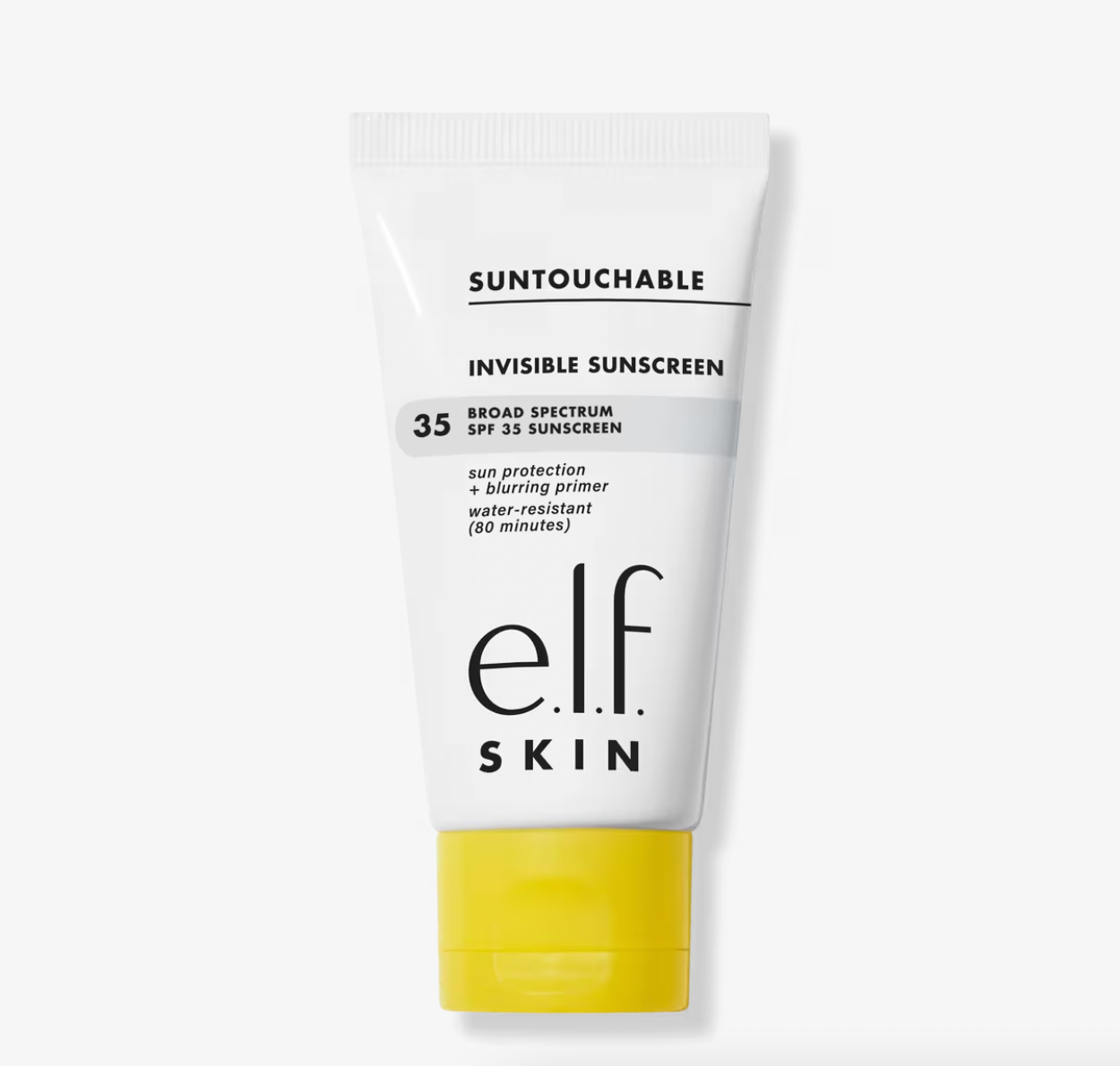
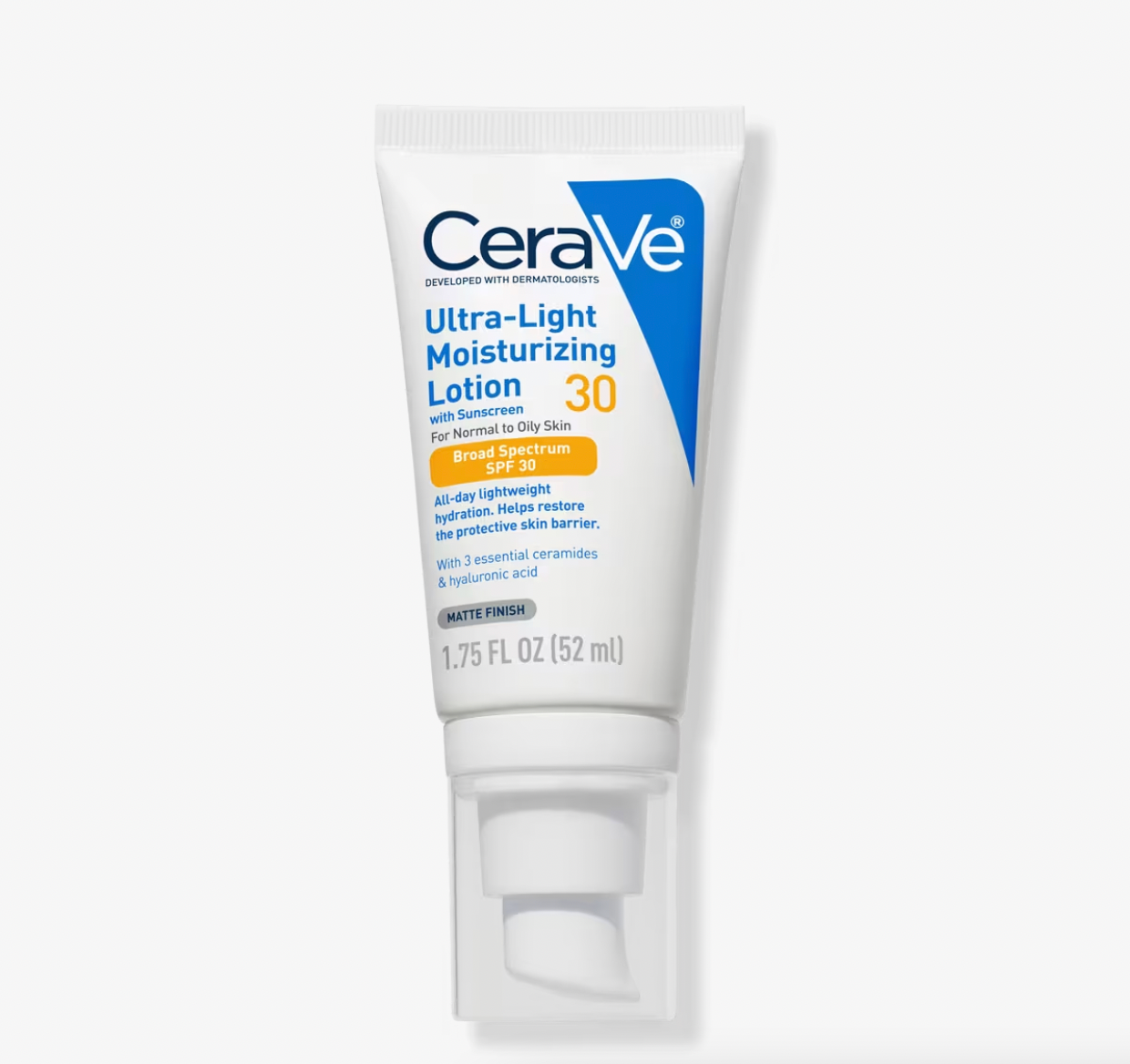
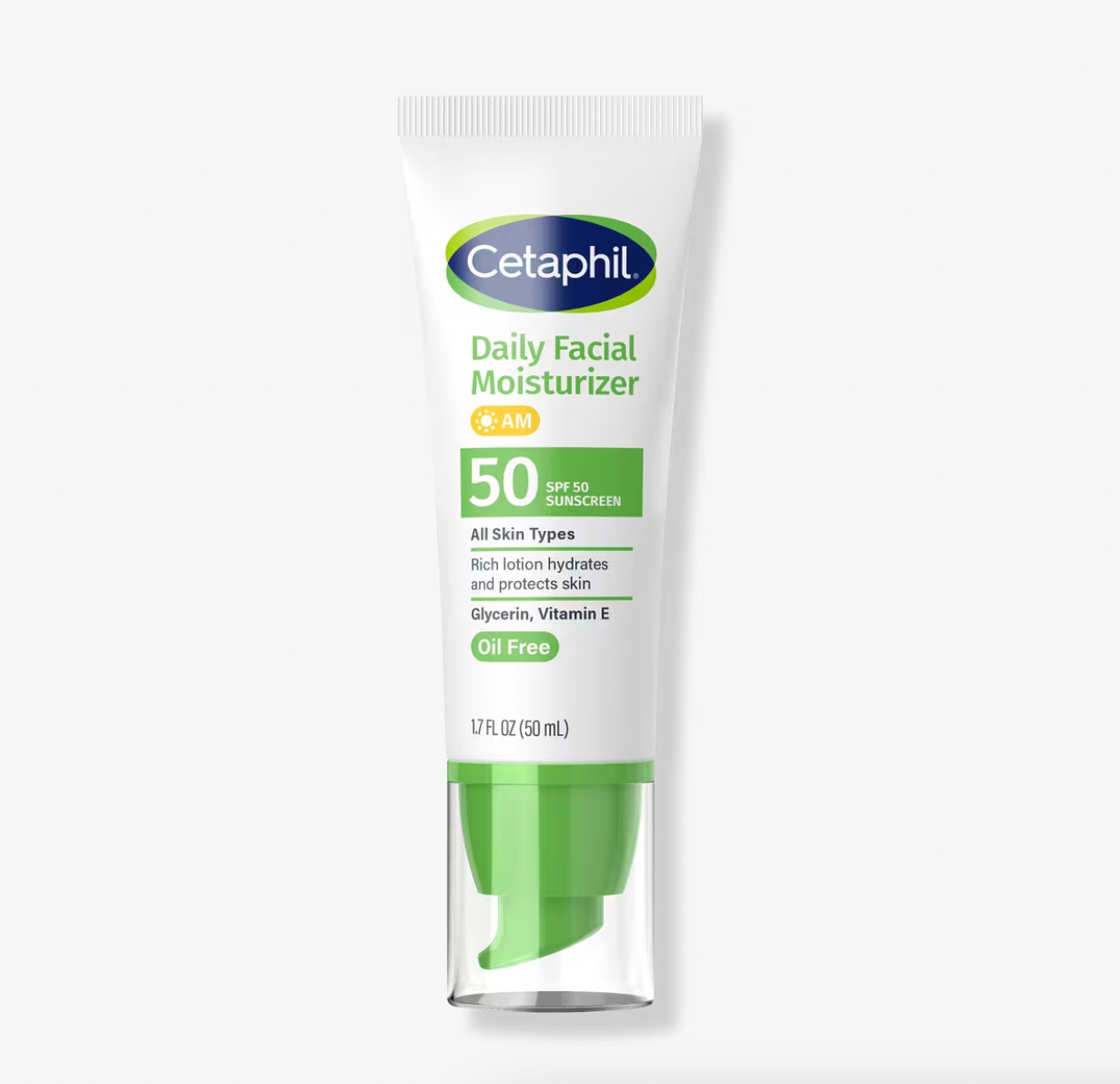
If you’re an R29 regular, this might sound obvious: “Daily, year-round sunscreen is the single most impactful habit for preventing premature aging and reducing the risk of skin cancers,” says Dr. Veraitch, who recommends a high-factor (SPF 30–50), broad-spectrum facial sunscreen. But if you really want to maximize its protective benefits, consider layering a vitamin C or vitamin E serum underneath. “Both ingredients help neutralize free-radical damage,” says Dr. Veraitch, basically things like pollution and UV rays. “They also support collagen,” she adds, which keeps skin supple.
AdvertisementADVERTISEMENT
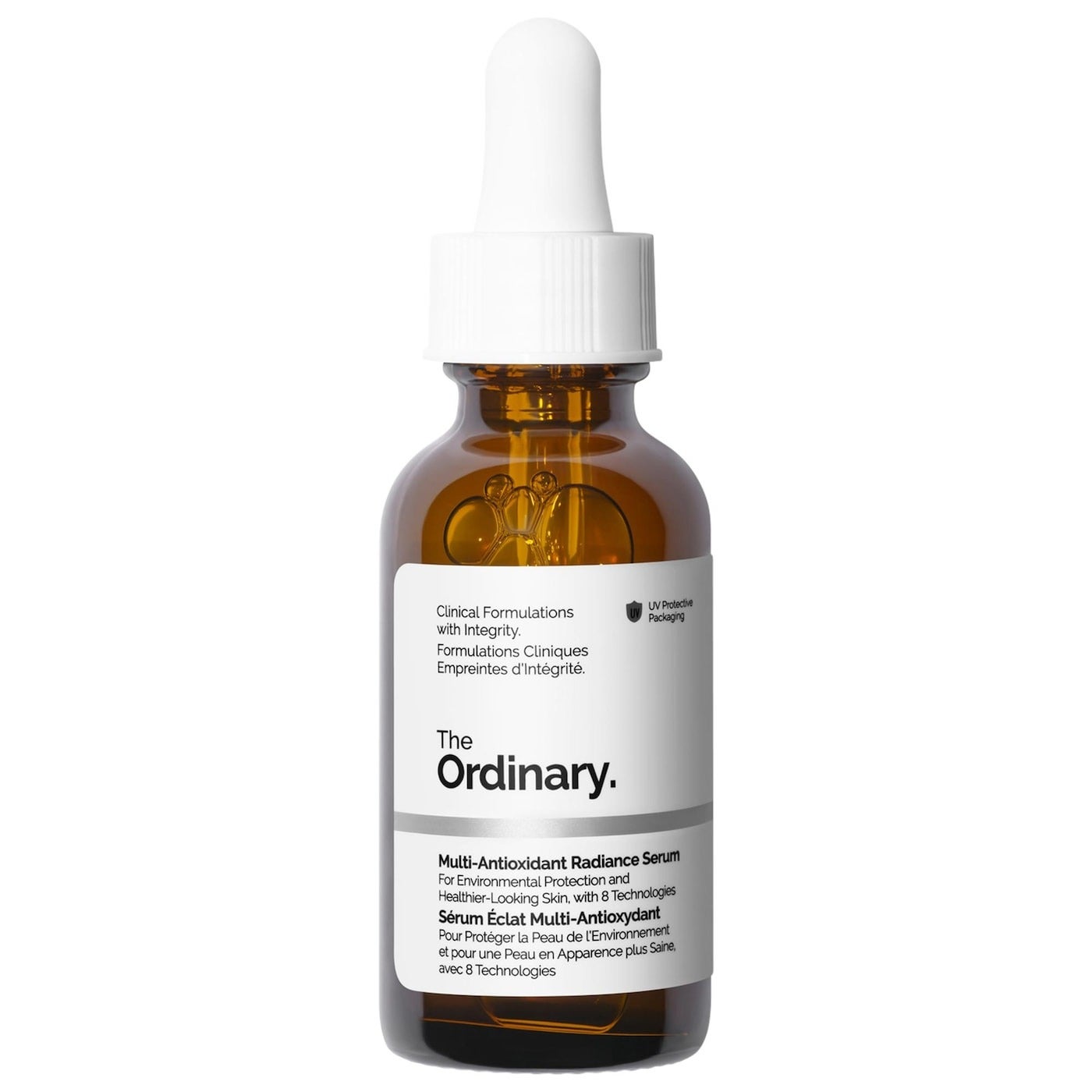
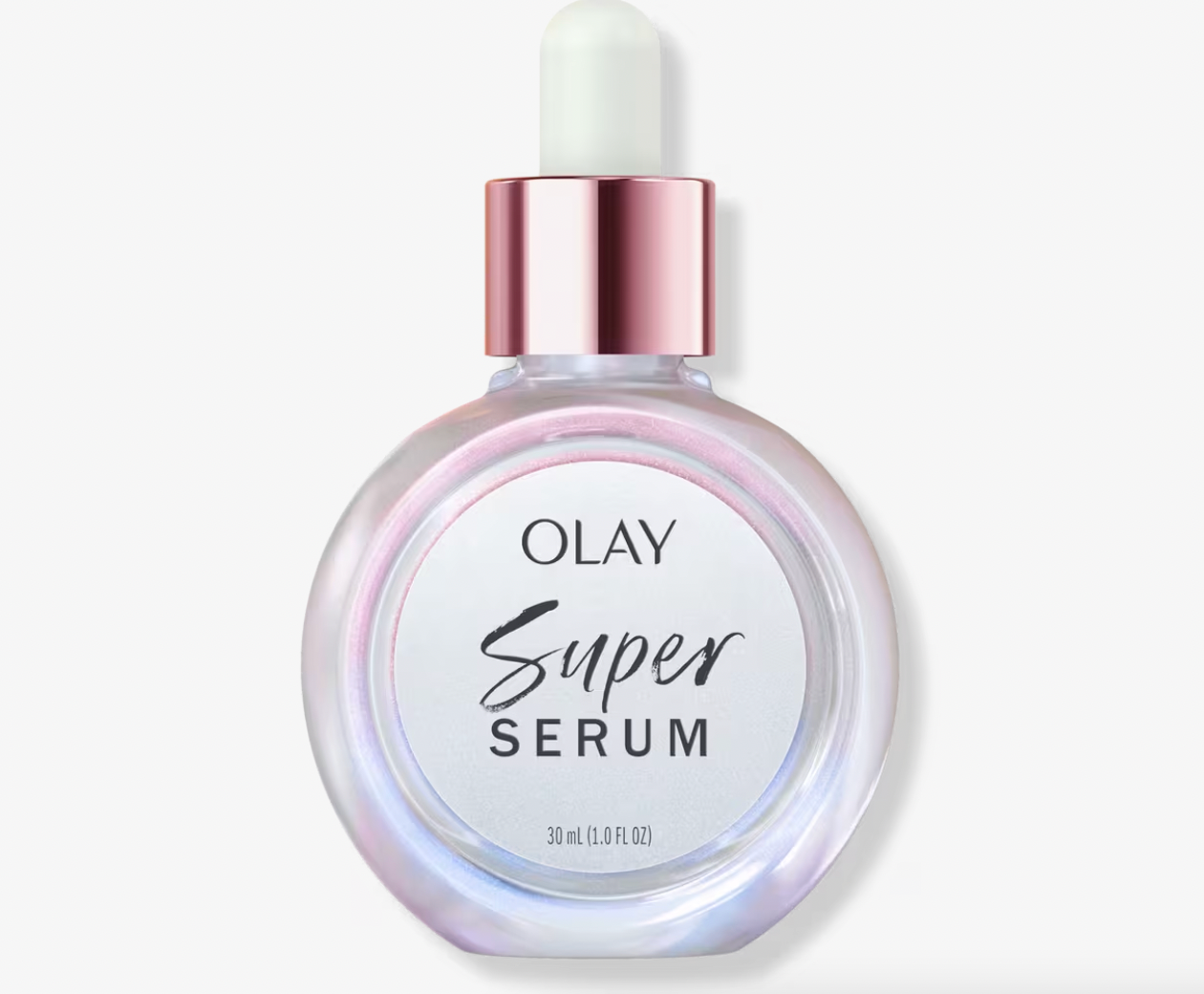
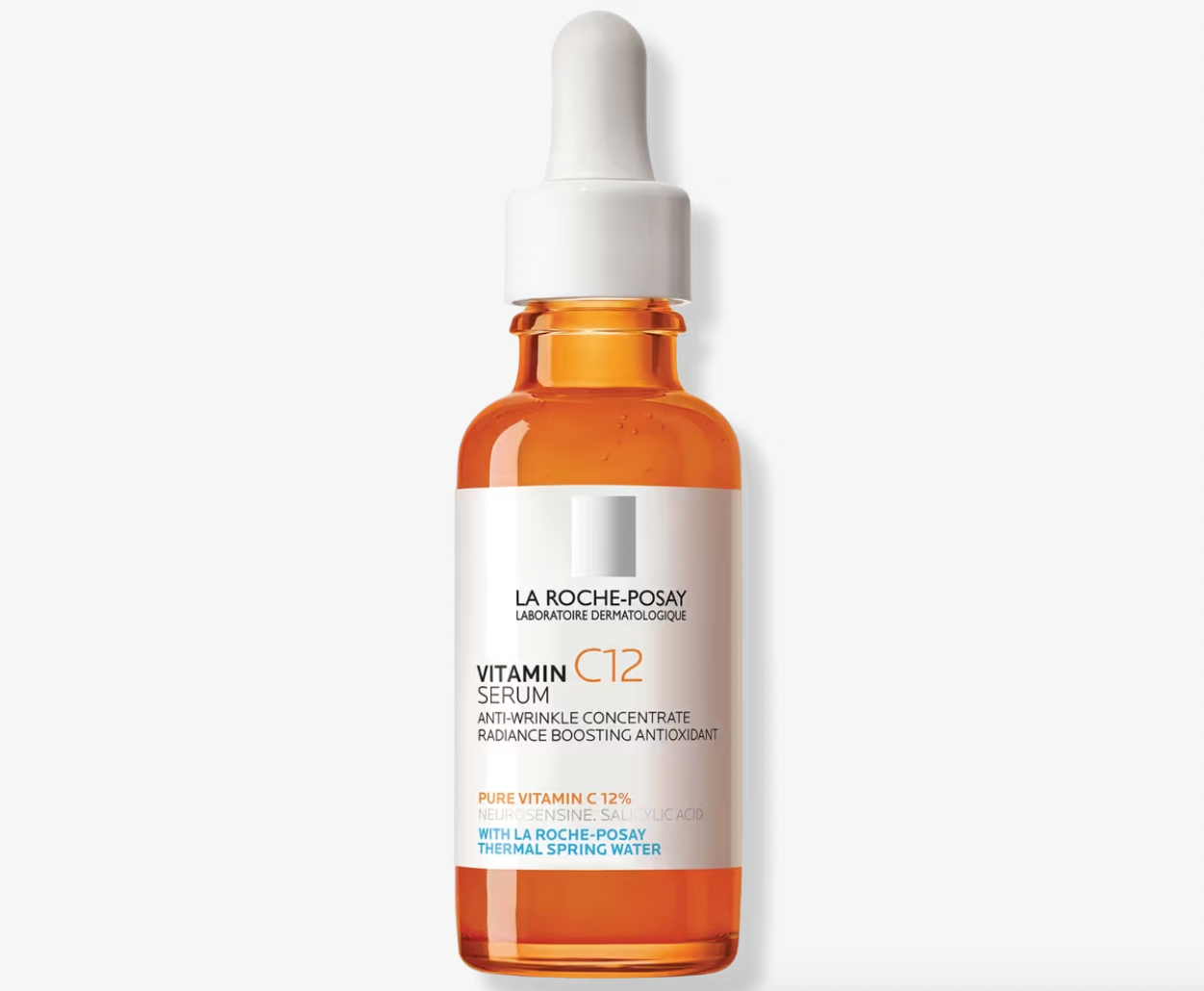
Opt for a gentle vitamin C serum like The Ordinary’s Multi-Antioxidant Radiance Serum with Vitamin C and Ginseng, or La Roche-Posay 12% Pure Vitamin C Anti-Aging Face Serum. If you tend to have dry, easily irritated skin, vitamin E is naturally more moisturizing and can help protect your skin barrier — the outermost layer that keeps good stuff in (like moisture) and bad stuff out (like bacteria). Try Olay Super Serum 5-in-1 Renewing Face Serum.
Try tranexamic acid for hyperpigmentation
From vitamin C to glycolic acid, there are a handful of ingredients dermatologists recommend for hyperpigmentation, often caused by acne, superficial burns, or too much sun exposure. But according to Dr. Veraitch, there’s nothing quite like tranexamic acid.
“Tranexamic acid is one of the most effective and underutilized ingredients for treating pigmentation,” she says. “What’s more, it helps calm inflammation and targets pathways involved in melasma [a skin condition that causes gray or brown patches], post-inflammatory marks, and uneven skin tone.”
Dr. Veraitch adds that she doesn’t like to chase buzzy new ingredients. Instead, she prefers to see solid data and real-world experience before recommending something to her patients — and there’s plenty of research ruling in tranexamic acid’s favor for treating pigmentation.
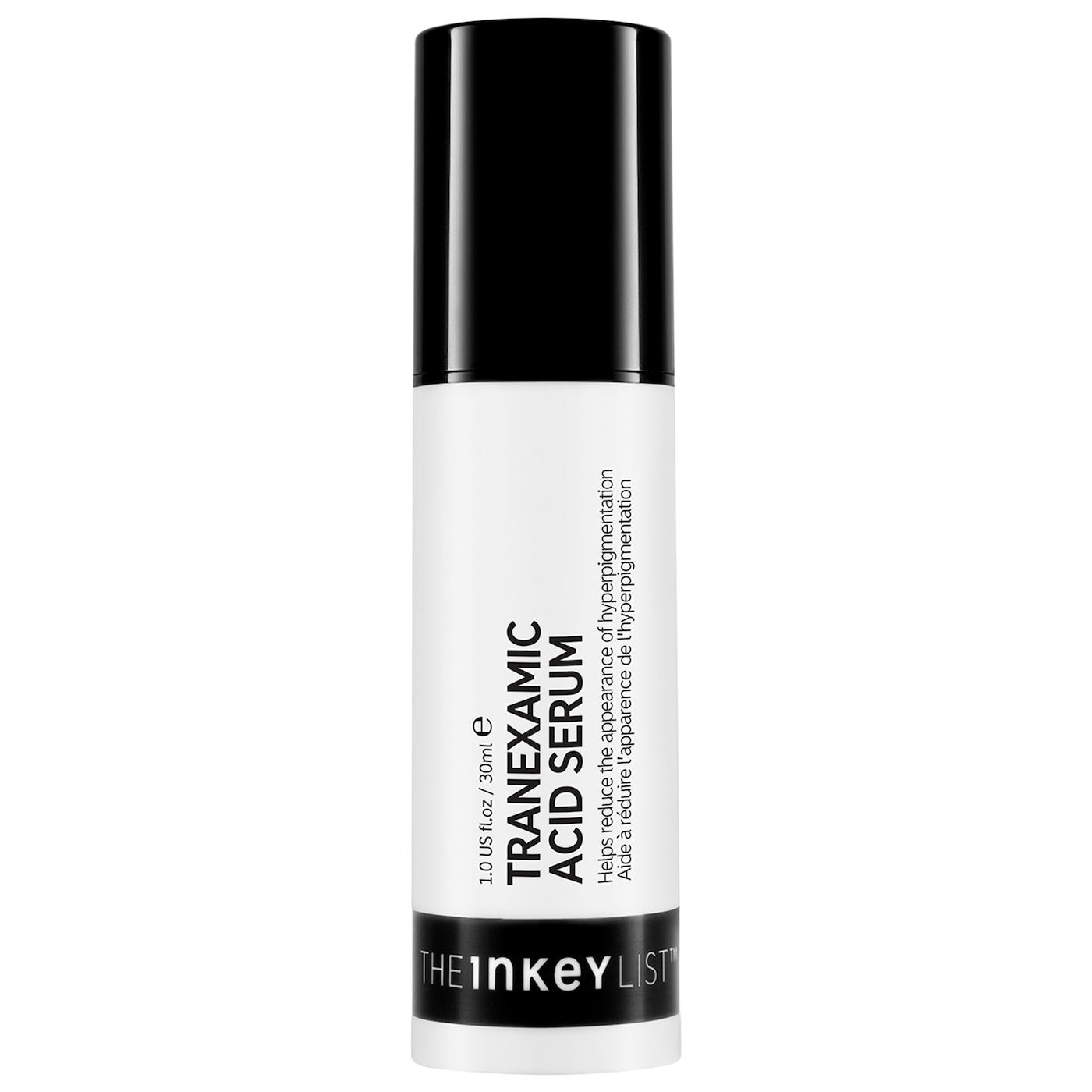
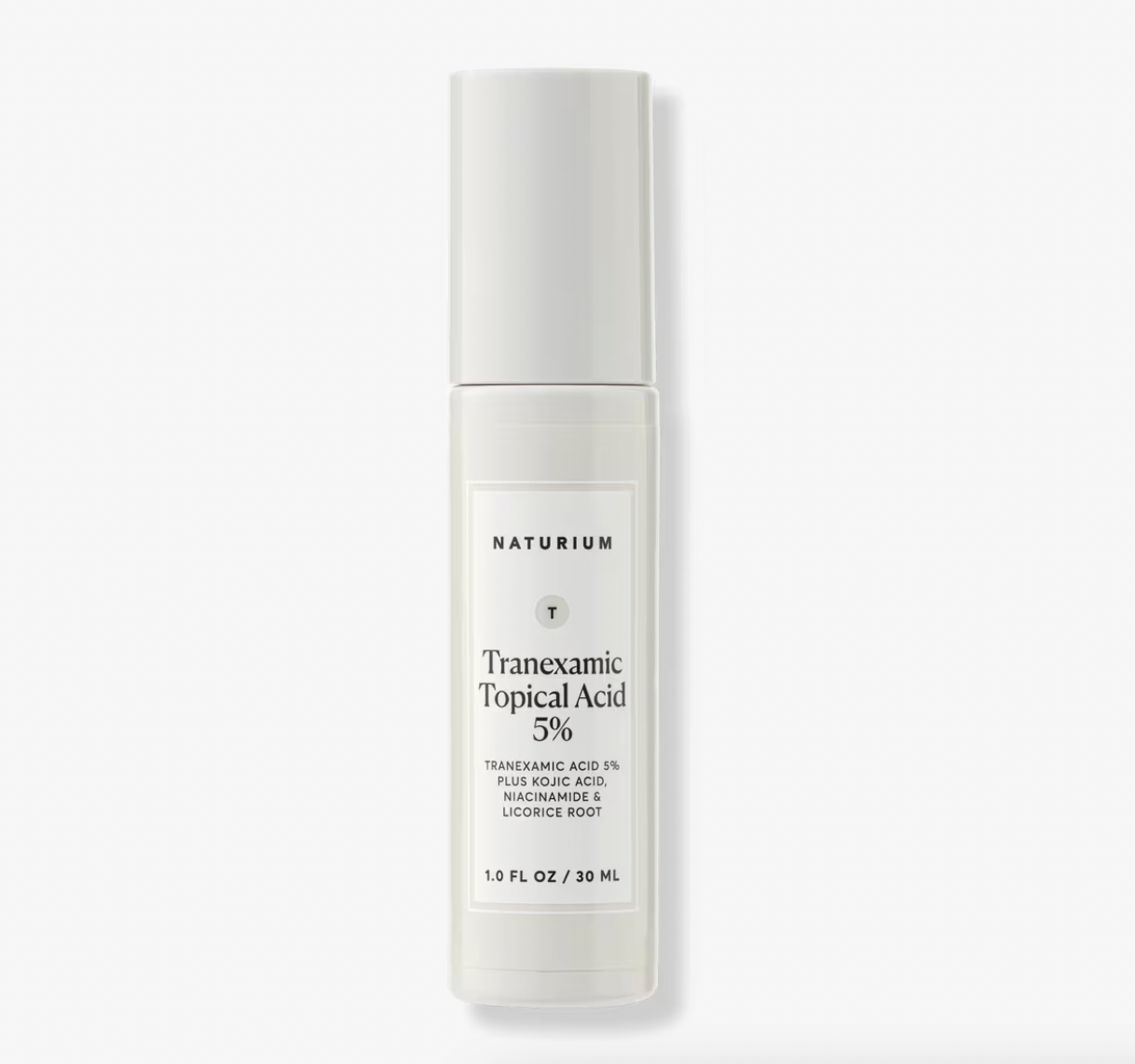
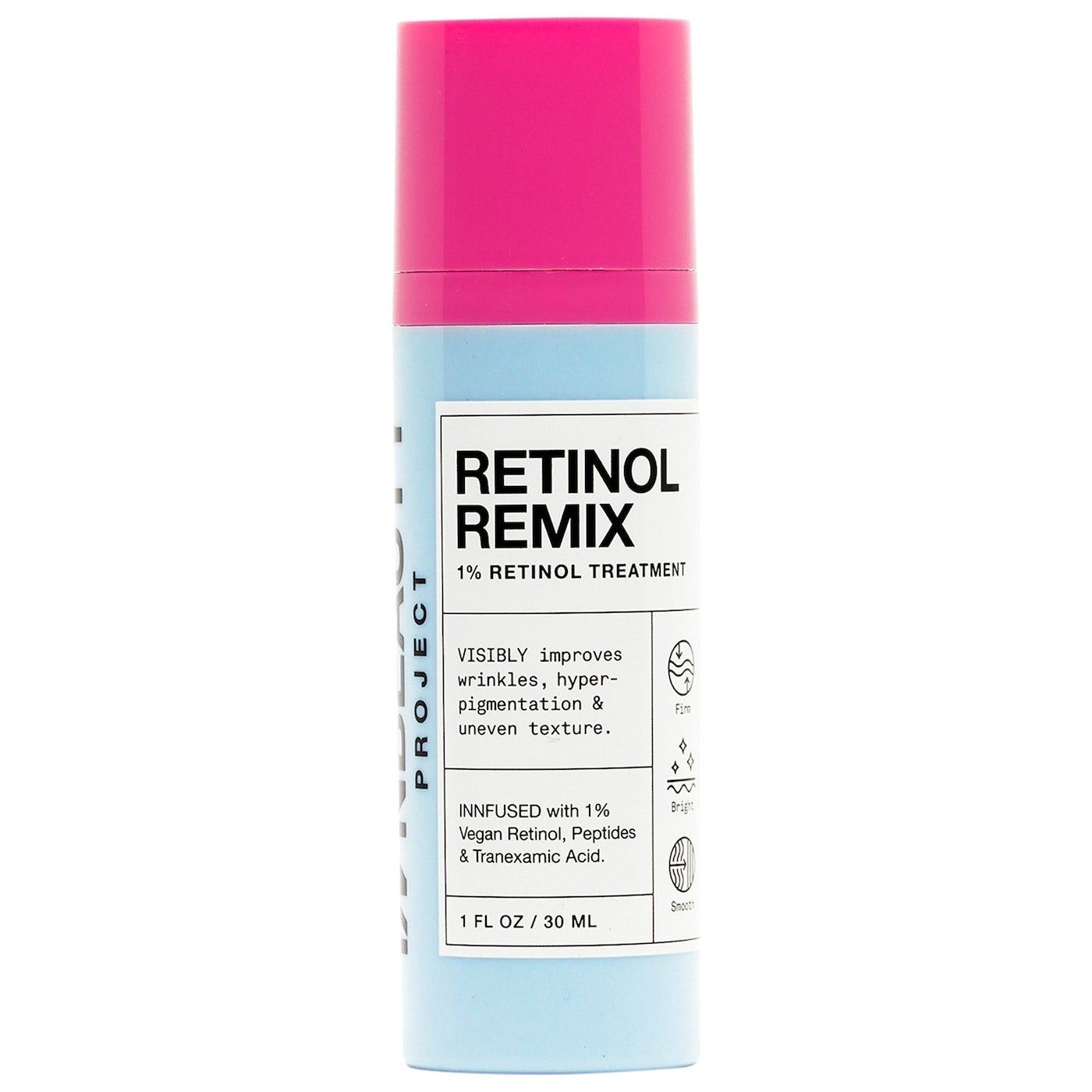
Try The Inkey List’s Tranexamic Acid Hyperpigmentation Treatment, which contains 2% tranexamic acid plus brightening vitamin C. There’s also Naturium’s Tranexamic Topical Acid 5%, formulated with tranexamic acid, niacinamide, and kojic acid to even out skin tone, or INNBeauty Project Retinol Remix 1% Retinol Treatment, with skin-strengthening peptides and cell-rejuvenating retinol.
AdvertisementADVERTISEMENT
Make mindful drinking part of your skincare goals
“Alcohol can really exacerbate inflammatory skin conditions such as acne and rosacea,” says Dr. Veraitch, who believes January is the perfect time to consider “cutting back and rebalancing the skin” after the festive season. In fact, prioritizing overall wellbeing throughout the year — whether managing stress, exercising more, or seeking help for sleeplessness — is always her top tip. “General health plays a huge role in skin and hair quality,” she emphasizes.
Where you spray perfume makes all the difference
If you have sensitive or reactive skin, Dr. Veraitch recommends rethinking where you spray your perfumes and body mists. “Spraying perfume directly onto the skin can trigger contact allergies and make people sensitive to many fragranced skincare products,” says Dr. Veraitch, who has seen this firsthand in her clinic. She adds that perfume is absolutely fine and safe to use, but those with sensitivities may do better applying it to clothing rather than directly onto their skin. Fragrance tends to last a lot longer on clothes, anyway.
Targeted skincare beats blanket injectables
Dr. Veraitch says many patients book injectables like filler and Botox without first making sure their skin is at its healthiest — think a strong skin barrier, with minimal irritation. Of course, R29 is a judgment-free zone when it comes to treatments, but if you are considering injectables, Dr. Veraitch advises seeing a dermatologist for a targeted treatment plan first: “Clear, healthy skin means you’re not constantly ‘chasing’ signs of aging with fillers,” she says. A dermatologist, facialist, or esthetician can help you build a skincare plan that suits your budget.
AdvertisementADVERTISEMENT
Consider making laser part of your skincare plan
If your skincare budget extends to treatments in 2026, Dr. Veraitch can’t speak more highly of Fraxel Dual, a non-ablative laser she says improves skin texture, pigmentation, and overall radiance in a long-lasting way. “It’s one of the most effective ways I’ve seen to ‘reset’ the skin,” says Dr. Veraitch, who regularly recommends the treatment to her patients.
And it’s not just cosmetic. “Recent data from Harvard dermatologists has shown that patients who get Fraxel Dual once a year have a 50% reduced risk of developing non-melanoma skin cancers,” she adds. That said, wearing sunscreen and limiting your time in the sun is just as effective — and remains a top dermatologist recommendation. There’s no need to spend a small fortune, either. “People often believe that the more expensive the product, the better the results — but that’s rarely true,” says Dr. Veraitch. “Using the right and good quality actives, plus a decent SPF for your skin, matters far more than price.”
AdvertisementADVERTISEMENT