







Serious Question: Why Are We So Afraid To Wash Our Hair?
All linked products are independently selected by our editors. If you purchase any of these products, we may earn a commission.
Photo: Fernanda Liberti
When I was growing up, my parents insisted I shampoo daily — otherwise, my hair and scalp would be “dirty,” and there was always a concern about lice or something equally unwelcome. For years, though, I had long, thick hair that could basically hoard oil like a squirrel stores nuts, letting me get away with washing it as infrequently as twice a week (sometimes longer, if I’m being honest).
That all changed a few months ago, when I donated a foot of hair and entered my bob era. Suddenly, I was washing my hair every two days (not to mention, reaching for dry shampoo in between washes). Now that I had less length to absorb and distribute oil, it turns out that shorter cuts can be surprisingly high-maintenance. At first, I’ll admit, the adjustment period was real. Washing my hair more often than I was used to felt excessive, maybe even a little wrong. Why, exactly, I wasn’t even sure I could say.
AdvertisementADVERTISEMENT
But if social media is anything to go by, the list is long: a tight, irritated scalp, dry ends, and oily roots — often attributed to the scalp producing more sebum to compensate.
It’s also worth noting somewhere here that not washing your hair has become a major trend on TikTok. Often framed as “hair training,” it’s sparked plenty of debate — from people being criticized for how often they wash their hair to others saying they’re now hesitant to shampoo because they’ve noticed shedding. The result is a broader anti-shampoo sentiment. But here's the problem: dermatologists and trichologists report seeing a rise in patients with scalp concerns. The risks of underwashing are real: itchiness, dandruff, irritation, and, of course, the general unpleasantness of greasy hair.
But once I got over my own hesitation, I realized I’m far from alone in being a little wary of overwashing. So, I decided to put my questions (and shampoo anxiety) to a certified trichologist and get some real answers on how often we actually need to wash our hair. The results? Hair-raising.
How often should you wash your hair?
The answer depends on a few factors, including your personal tolerance for an oily scalp. Can you deal, like me, or do you run at the first sign of grease? In general, shorter styles tend to need more frequent washing than long, Rapunzel-level lengths, since there’s less hair to absorb and distribute oil. Texture also plays a role: On the spectrum from fine to coarse (referring to the strand itself, not how much hair you have), finer hair tends to get oily faster.
AdvertisementADVERTISEMENT
If your hair falls in the straight-to-wavy camp, you’ll likely need to shampoo every two to three days, according to Dallas-based trichologist and Colour Collective founder Kerry E. Yates. Curly and coily textures, on the other hand, can usually stretch wash day a bit longer — but should still aim for at least once a week.
Certain lifestyle factors play a role, too: If you’re working out and sweating regularly or using styling products daily, you may notice buildup faster and need to wash more often. As Yates puts it: “Would you wait five days to wash your face after wearing makeup every day?” Message received, loud and clear.
Does washing hair cause shedding?
If your FYP is also flooded with post-shower hair clumps stuck to the walls and tub edges, you’re not alone in fearing that washing more often will result in more shedding. However, we’re here to settle this once and for all: Washing your hair does not make it fall out faster. “Shampooing loosens strands that are already ready to shed but are being held in place by buildup, product residue, and everyday grime,” explains Yates. In other words, if you’re not brushing or washing regularly, you’re just delaying the already-released strands from leaving your head.
“On average, we shed about 100 to 150 hairs per day,” Yates adds. “Multiply that by five, six, or even seven days between washes, and you’re looking at hundreds of strands that are ready to come out all at once.” It sounds like a lot (and it is!) but when you consider that the average human head has between 90,000 and 150,000 strands of hair, it’s not cause for immediate concern.
AdvertisementADVERTISEMENT
And here’s the part that often gets lost in fearmongering TikToks: That fallout is completely normal. It’s just healthy, everyday shedding — a natural part of the hair growth cycle. Anecdotally, I found that I could relate; the more often I’ve been washing my hair, the smaller those tufts became, since I was releasing strands gradually instead of all at once in one slightly horrifying, bird’s-nest situation. (Which my husband used to affectionately call “our new pet.”)
Is there a correct way to wash hair?
Yes — but trust us, it’s easier than you think (and honestly, kind of satisfying once you get into it). As Yates explains, start by dispensing shampoo into your hands and emulsifying it with water before applying. Most people go straight from bottle to scalp, but skipping this step can lead to uneven distribution and a less thorough cleanse overall.
Using your fingertips (not your nails, since that can scratch or irritate), gently work the emulsion in, massaging from the hairline to the crown and all the way down to the nape of your neck, making sure you’re covering the entire head. Think of it less like a quick lather to get through and more like a mini scalp massage — it should feel good and release tension, which is enough encouragement for me.
Once you’ve worked everything in, rinse thoroughly — and when we say “thoroughly,” we mean it. Yates even recommends rinsing “one minute longer” than you think you need, since most of us tend to rush this step. After that, follow with conditioner through your mid-lengths and ends only. Your scalp likely won't need the extra moisture since it’s already producing its own oils.
How can people find the right shampoo/conditioner for their hair type/needs?
Understandably, the right shampoo will differ depending on your hair type, length, and texture. (And contrary to popular opinion, surfactants and preservatives like sulfates and parabens aren’t the villains people make them out to be. Sulfates, for instance, are effective at lifting away oil and buildup, helping to keep the scalp clean and balanced.)
AdvertisementADVERTISEMENT
I have fine, wavy, color-treated hair and have been loving Milbon’s Illuminating Glow range, which was recommended to me by my stylist, Anh Co Tran. (The hero ingredient, marula oil, works wonders to repair the cuticle and reduce frizz, and also lends a healthy dose of shine to my highlighted brunette hair.)
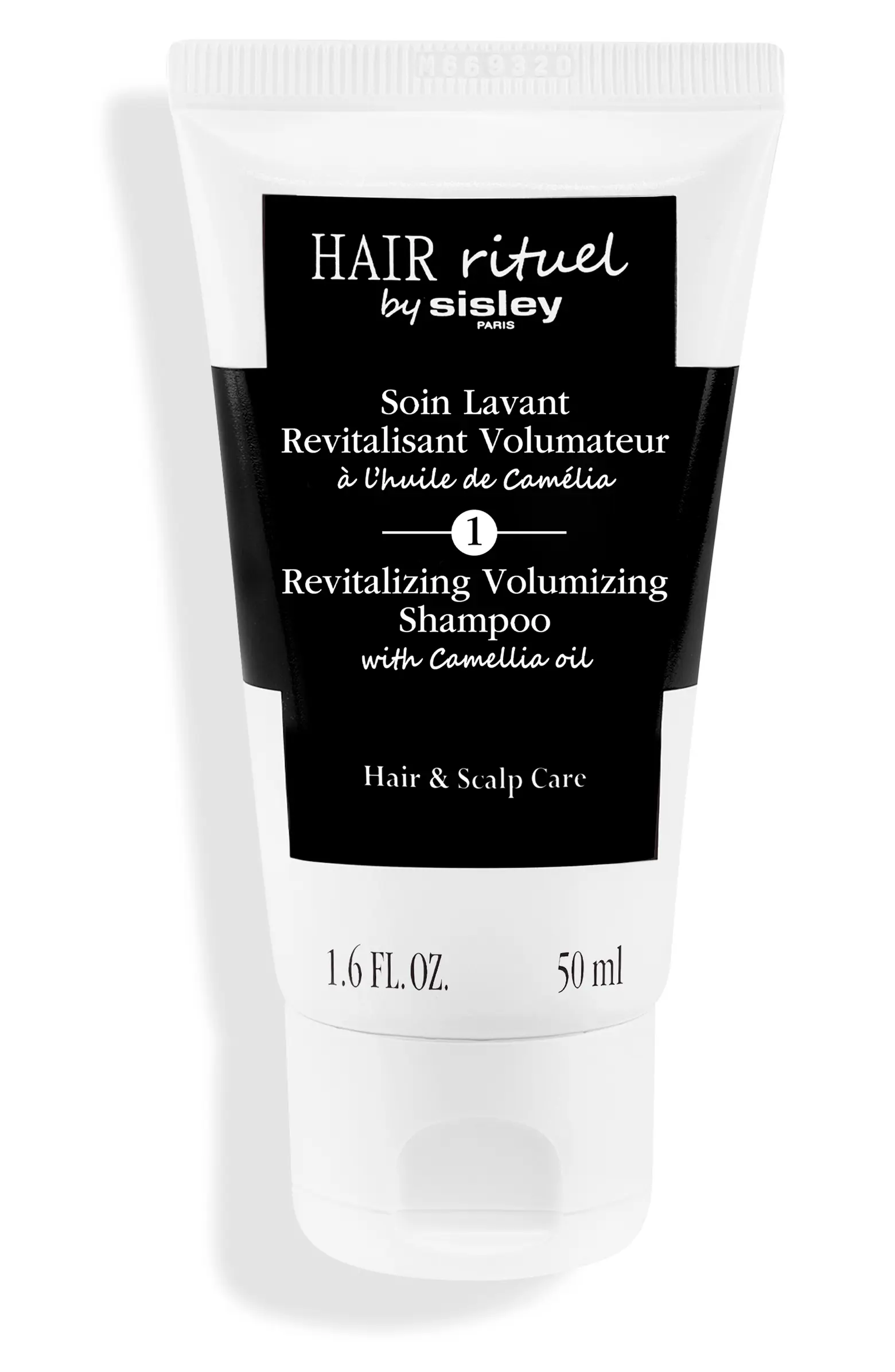
For fine or damaged hair, Yates recommends formulas that skip heavy emollients and instead use balanced surfactants that cleanse effectively without weighing hair down or compromising volume, while still keeping strands soft and manageable. Yates recommends Sisley Paris’ Revitalizing Volumizing Shampoo, which has an alphabet soup of vitamins B5, B6, and E (in addition to reparative camellia oil) to prevent hair thinning and nourish the scalp.
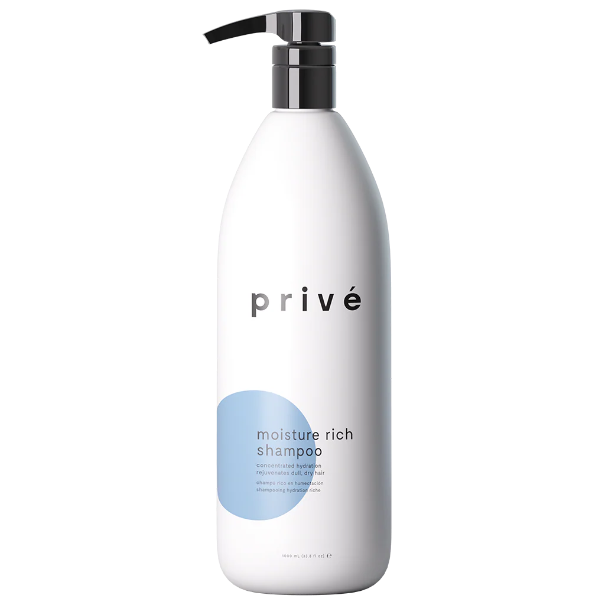
If your hair is dry or damaged, reach for more moisturizing shampoos, conditioners, and treatments packed with nourishing ingredients like oils and proteins. These can help improve overall hair health, restore hydration, and boost shine over time. One of Yates’ go-tos is Prive’s Moisture Rich Shampoo, which features jojoba proteins, kukui oil, and green tea to strengthen the hair fiber and replenish moisture.
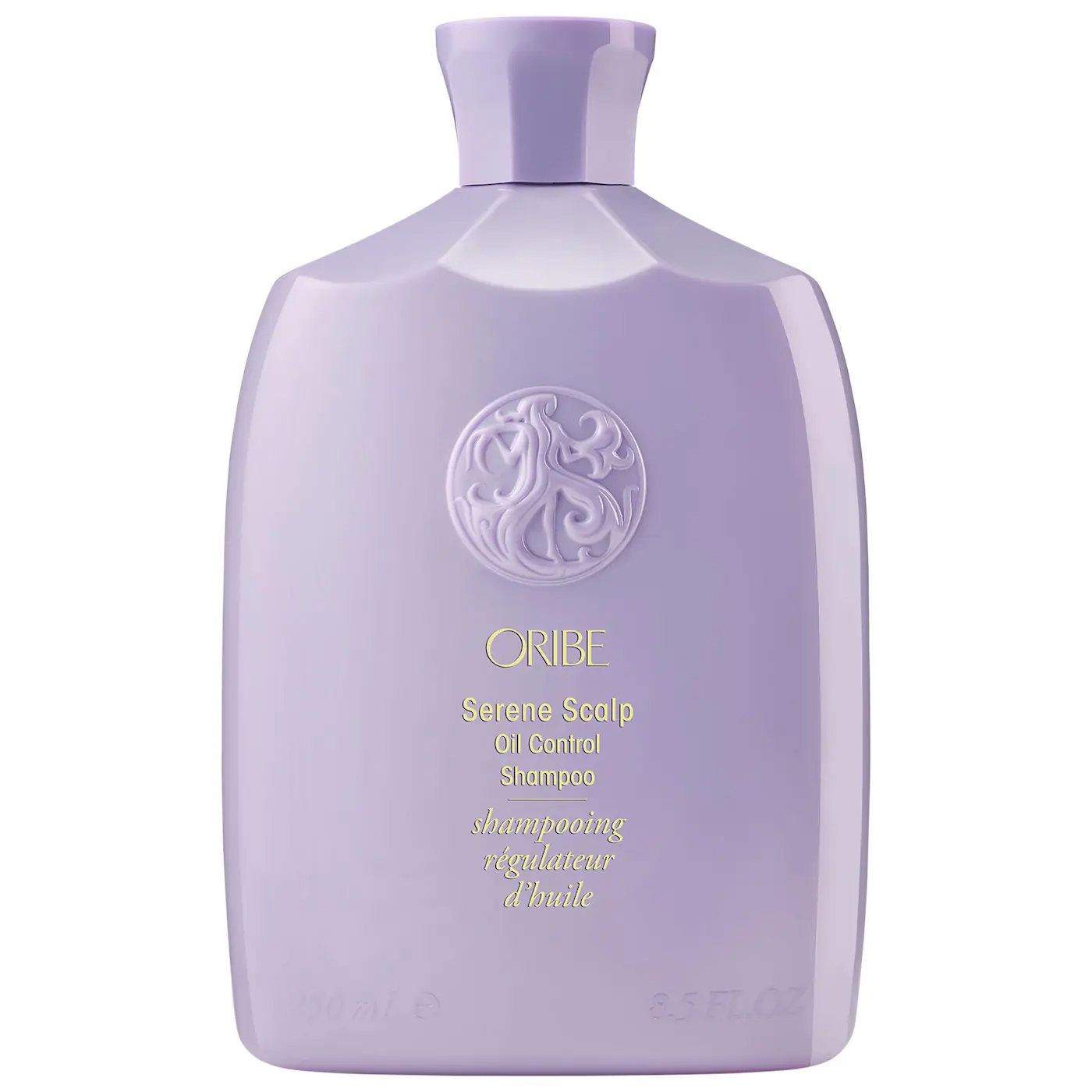
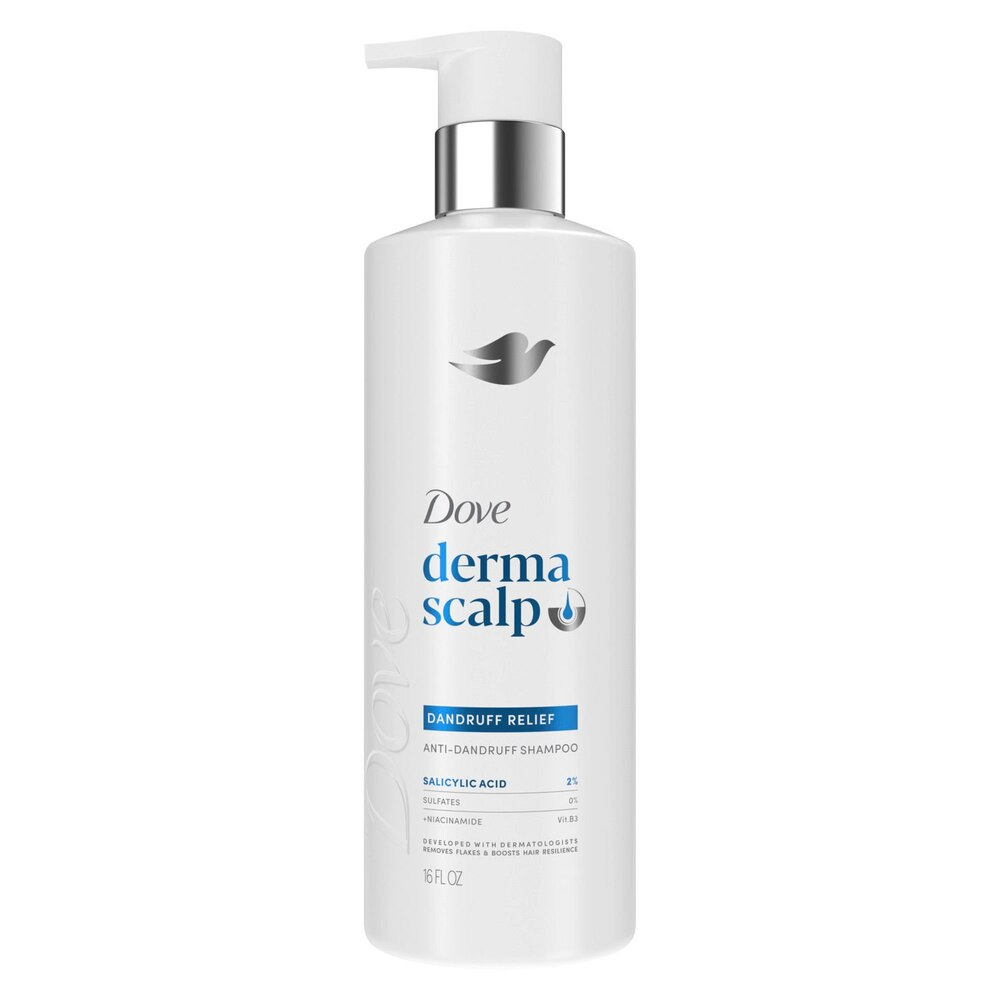
For oily hair, look for formulas with ingredients like salicylic acid (that’s right, it’s not just for treating acne) to help regulate excess oil production. (We’re also fans of Dove’s Derma Scalp Dandruff Relief Shampoo, which pairs salicylic acid with niacinamide to eliminate greasiness and flakes.) “Regular washing and avoiding overly harsh products can also help reduce oiliness,” Yates adds. Another favorite: Oribe’s Serene Scalp Oil Control Shampoo, which cleanses thoroughly without stripping, thanks to ingredients like biomimetic amino acid and a sugar-derived prebiotic to balance your scalp’s flora. (Another plus: It doesn’t have that overly medicinal scent common with many scalp-focused formulas.)
AdvertisementADVERTISEMENT
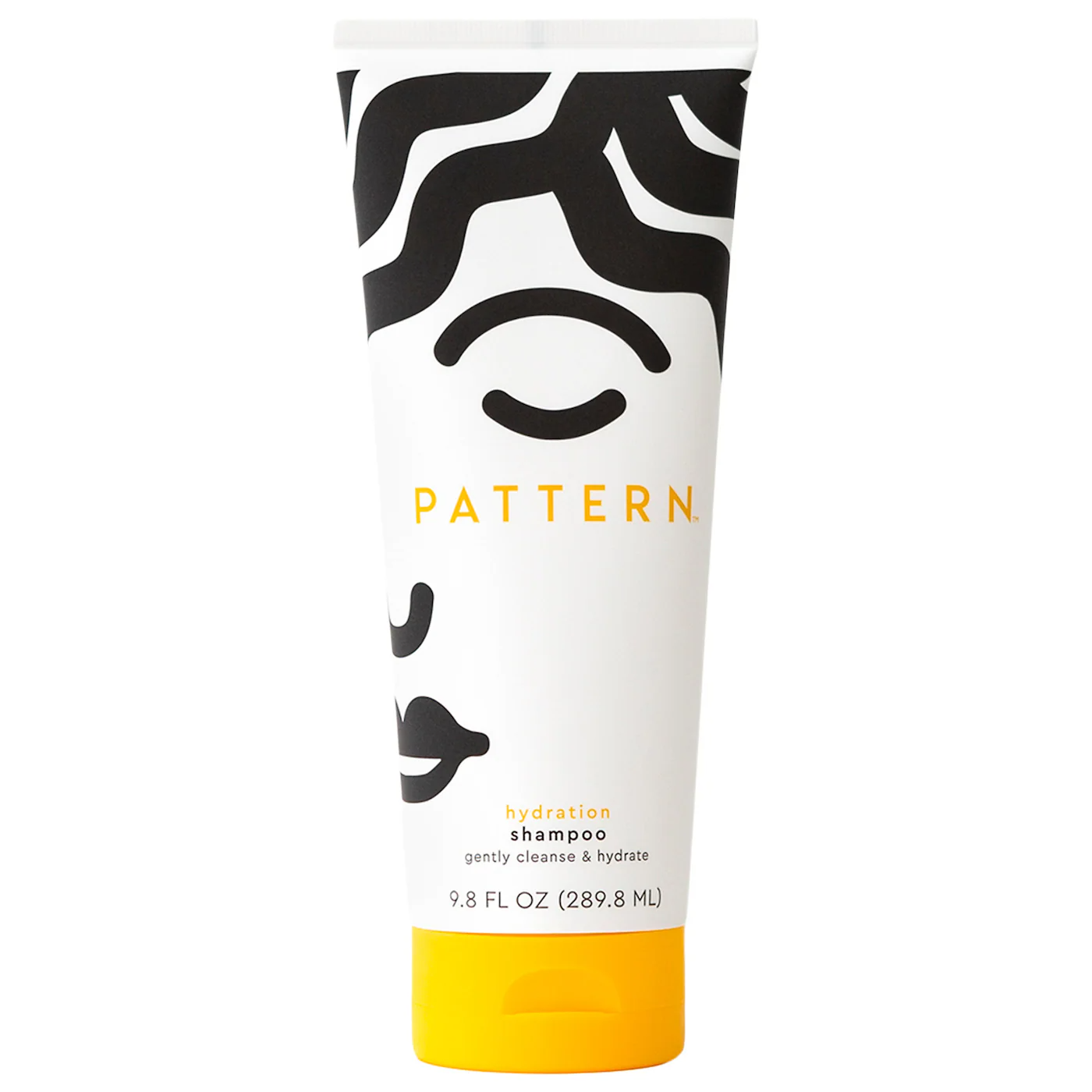
For curly and coily hair, Yates recommends Pattern Beauty’s Hydration Shampoo for its gentle cleansing and nourishing properties thanks to aloe, honey, and coconut oil. “There’s one word that matters [for curly and coily hair]: moisture,” Yates says, name-checking coconut, argan, and jojoba oils — along with aloe vera and shea butter — as key ingredients to look for. “Because curly and coily hair produces less natural sebum, oils help balance the scalp and prevent dryness,” she explains.
Final Thoughts
As it turns out, shampooing more often didn't make my hair drier or less soft, as I’d initially feared. In fact, my hair and scalp have never looked (nor felt) better now that I’ve found formulas that don't just clean, but actually nourish and hydrate my scalp and hair. I now genuinely look forward to wash day, which has become the metaphorical — and literal, in the case of my hair — reset that I didn’t know I needed.
AdvertisementADVERTISEMENT