







I Thought Winter Hair Shedding Was A Myth — Until It Happened To Me
All linked products are independently selected by our editors. If you purchase any of these products, we may earn a commission.
Photographed by Hayleigh Longman.
Something’s been amiss when I wash my hair. Instead of the odd few strands escaping — totally normal, by the way — my hands have been filled with near-chunks of hair. It’s a conundrum I can’t crack, because at a glance my hair still looks long and healthy; it just seems that I’m losing more of it. And I’m not the only one. Countless friends have texted me in a panic, convinced their hair is coming out more than usual. Interestingly, TikTok’s hair experts appear to have diagnosed it. Apparently, we’re all experiencing the big winter hair shed.
If I weren’t going through it myself, I’d have assumed winter hair shedding was a myth. I mean, how many more things — besides dry hands, cracked lips, and dull skin — can we take? But reaching out to my little black book of experts has proven otherwise. On the plus side, there’s usually nothing to worry about, but here’s everything I’ve learned from the pros about managing it.
AdvertisementADVERTISEMENT
Firstly, what is hair shedding — and is it normal?
Dr. Aamna Adel, consultant dermatologist and founder of rhute hair, says that hair shedding is a normal part of the growth cycle: “Each hair on your scalp goes through phases of growth (otherwise known as anagen), transition (catagen), and rest (telogen).” Dr. Adel adds, “At the end of the cycle, the hair sheds to make room for a new one to grow in. So yes, some shedding is completely normal and happens continuously.”
Afọpẹ́ Atoyebi, a certified trichologist and cosmetic chemist, adds that on a healthy scalp, anything between 10 to 15% of total hairs are in the telogen or exogen phase at any given point in time, which means that some hair shedding is natural all year round. “It’s normal to shed between 50 and 100 hairs per day,” says Atoyebi, but she adds that this shouldn’t be confused with hair fall from breakage. “This is where the hair shaft fractures, as opposed to falls, from the root,” she explains. You can usually tell the difference because broken hairs are shorter, while hairs that have been shed naturally tend to have a white bulb at the end.
While some shedding is natural, Atoyebi says how much you lose can be influenced by things like stress, illness, nutritional deficiencies — including low protein, iron, zinc, vitamin D, and B12 — as well as hormonal changes, such as pregnancy or certain forms of hormonal contraception. Dr. Adel says that if your hair is thicker or longer, or if you skip hair washing, shedding might appear more obvious.
Some evidence suggests telogen — the resting phase — varies slightly across ethnicities, says Atoyebi. But there’s no data showing that shedding changes with hair type.
AdvertisementADVERTISEMENT
“
Winter itself does not directly cause hair shedding, but the increased shedding people might notice could be down to more exposure to established hair-shedding factors like stress and nutritional deficiencies.
certified trichologist Afọpẹ́ Atoyebi
”
Is winter hair shedding real? How can you manage it?
Dr. Adel notes that many people notice increased shedding in winter, and that there could be a handful of reasons why. First, what she calls seasonal hair cycling: “Some studies suggest more hairs enter the shedding phase in autumn and early winter, possibly as a delayed response to summer UV exposure,” says Dr. Adel.
Second, a dry scalp and hair: “Cold air outside and central heating indoors strip moisture from the scalp, which can disrupt the scalp barrier,” explains Dr. Adel. Last, lifestyle changes: “Reduced sunlight (and therefore vitamin D), higher stress levels, and nutritional changes during winter can all play a role,” says Dr. Adel. She emphasizes that winter shedding is usually temporary, not true hair loss.
Atoyebi says that winter itself does not directly cause hair shedding, but she echoes that the increased shedding lots of people might notice in winter could be down to more exposure to established hair-shedding factors: “Think stress, illness, and hormonal and nutritional imbalances that commonly accompany the season,” says Atoyebi. Depending on where you live, a lack of sunlight might also be a factor. Reduced sunlight can impact your body’s circadian rhythm — basically, your internal body clock. This could then reduce your quality of sleep. “All of which can impair the immune resilience your body needs to ward off and recover from said triggers,” says Atoyebi.
“
Rather than trying to ‘stop’ hair shedding, you can support your body through the seasonal stressors it tends to encounter in winter.
”
How can you prevent winter hair shedding?
Rather than trying to ‘stop’ hair shedding, Atoyebi suggests supporting your body through the seasonal stressors it tends to encounter in winter. “This includes prioritizing a nutrient-dense diet and correcting common deficiencies associated with hair shedding, particularly iron (ferritin), vitamin D, zinc, B12 or folate, omega-3 fatty acids, and ensuring adequate protein intake,” she says.
AdvertisementADVERTISEMENT
While I’m not deficient in iron myself, a blood test showed that I needed to increase my vitamin D and folate intake. I also take omega-3, 6, and 9 daily — and I’m noticing a positive difference in my hair shedding.
Besides addressing deficiencies, Dr. Adel suggests prioritizing scalp care, since a healthy scalp supports better hair growth. She recommends using scalp-focused treatments and conditioners to lock in moisture, while avoiding over-scrubbing or harsh exfoliation. I love the ritual of applying rhute’s Density & Repair Scalp Serum, which moisturizes, exfoliates, and soothes the scalp with panthenol, salicylic acid, and niacinamide. Also try Typebea G1 Overnight Boosting Peptide Hair Serum, with baicapil, an ingredient proven to strengthen hair follicles.
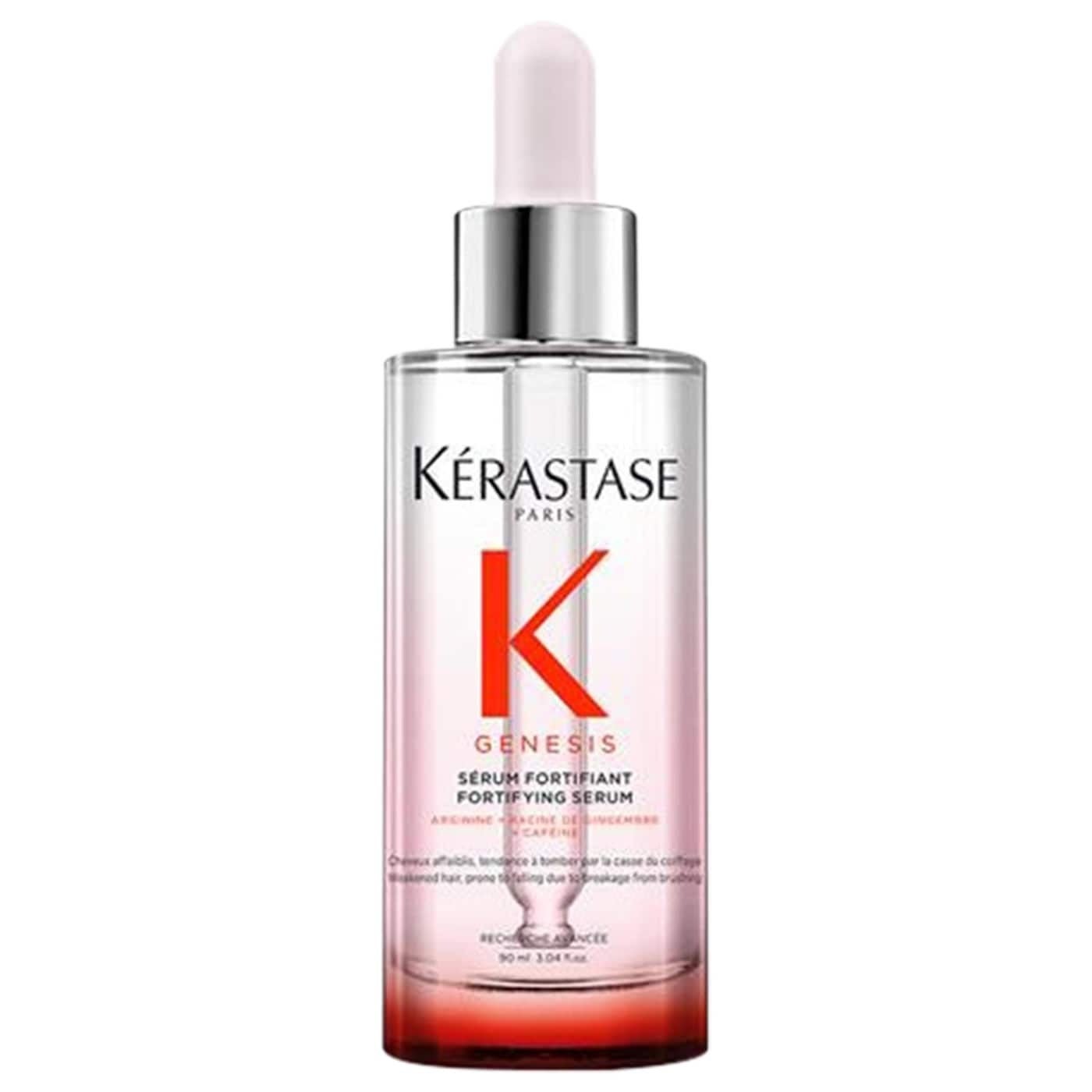
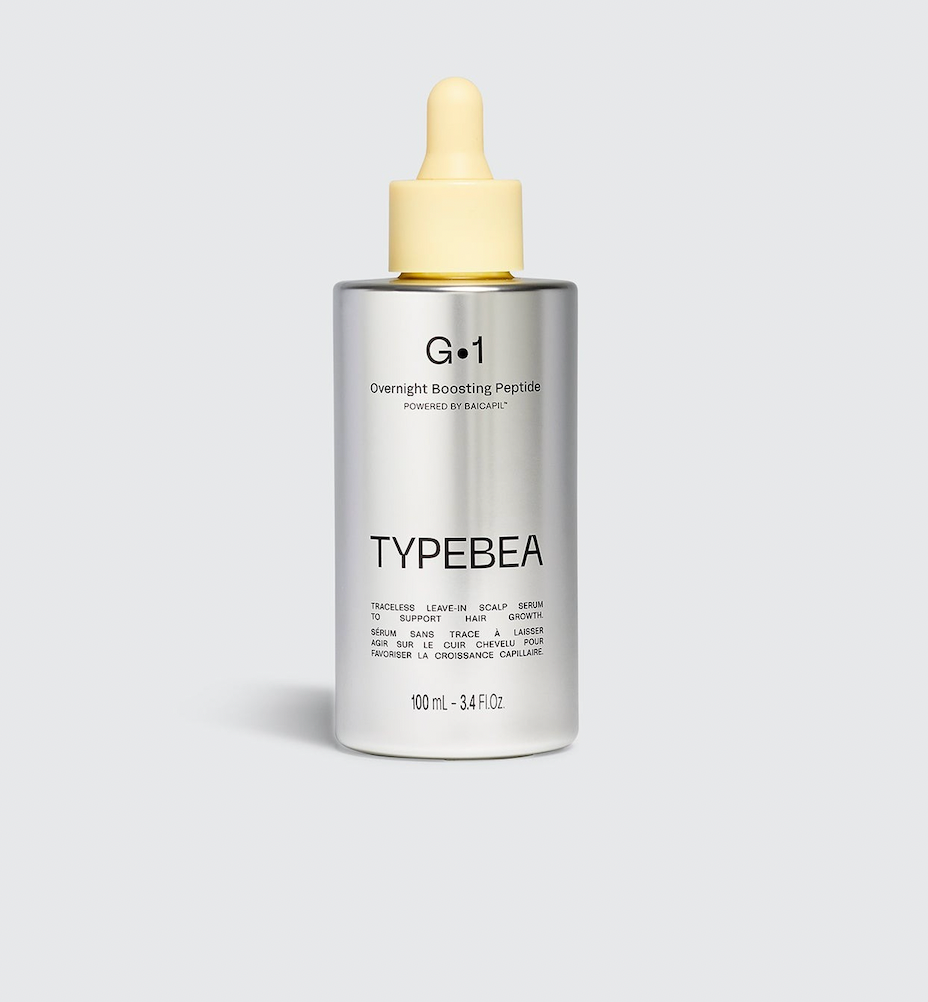
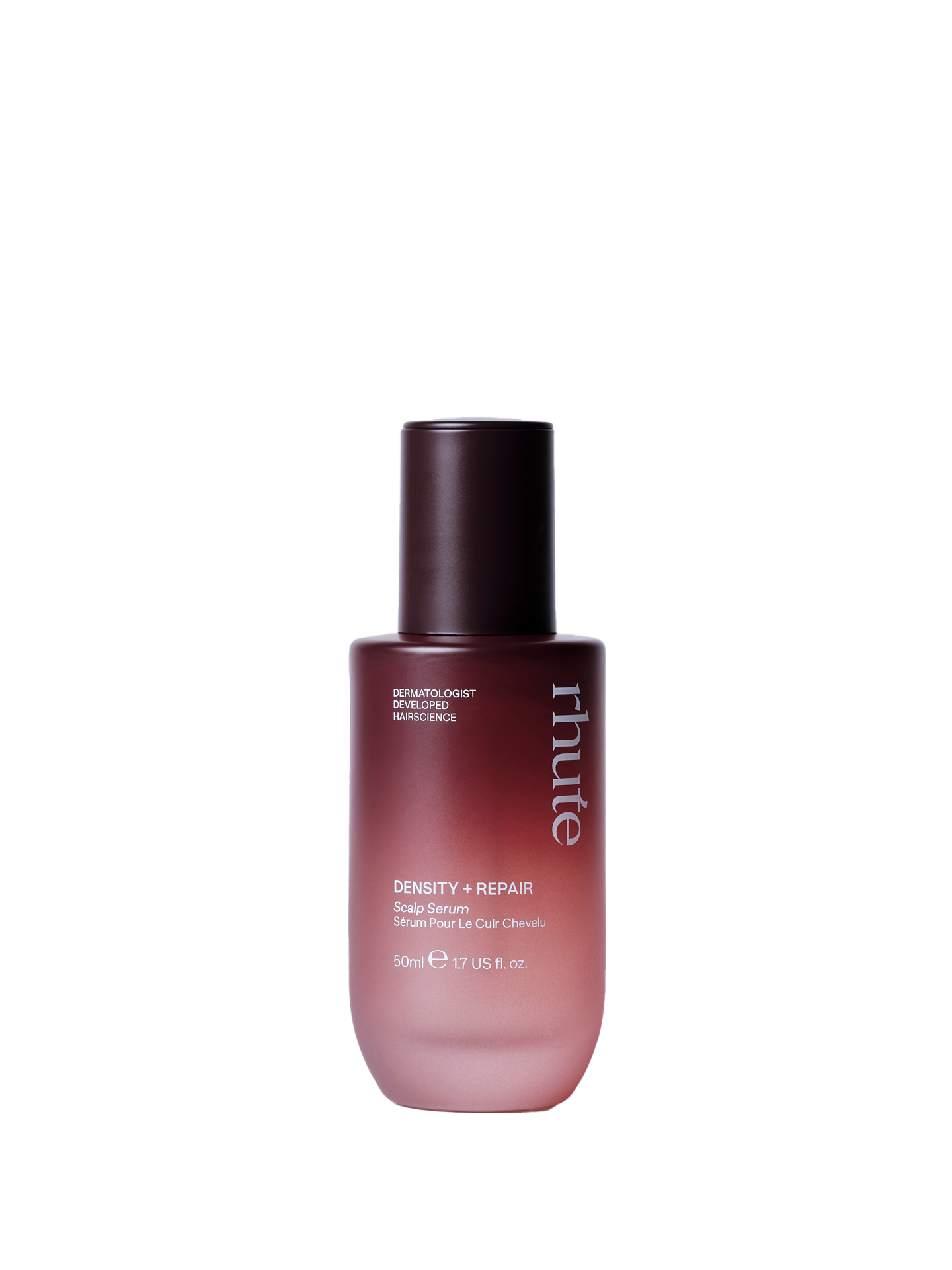
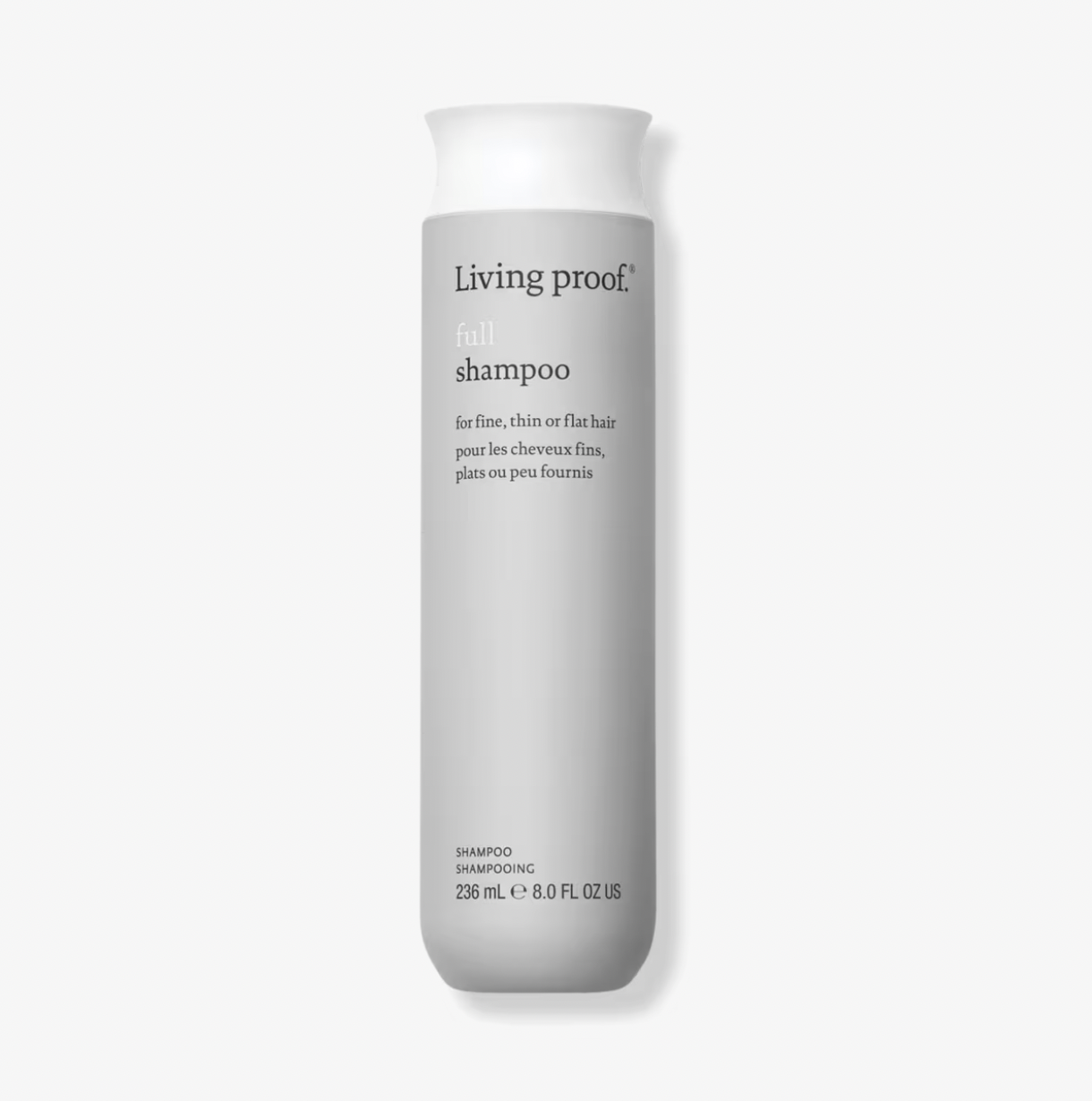
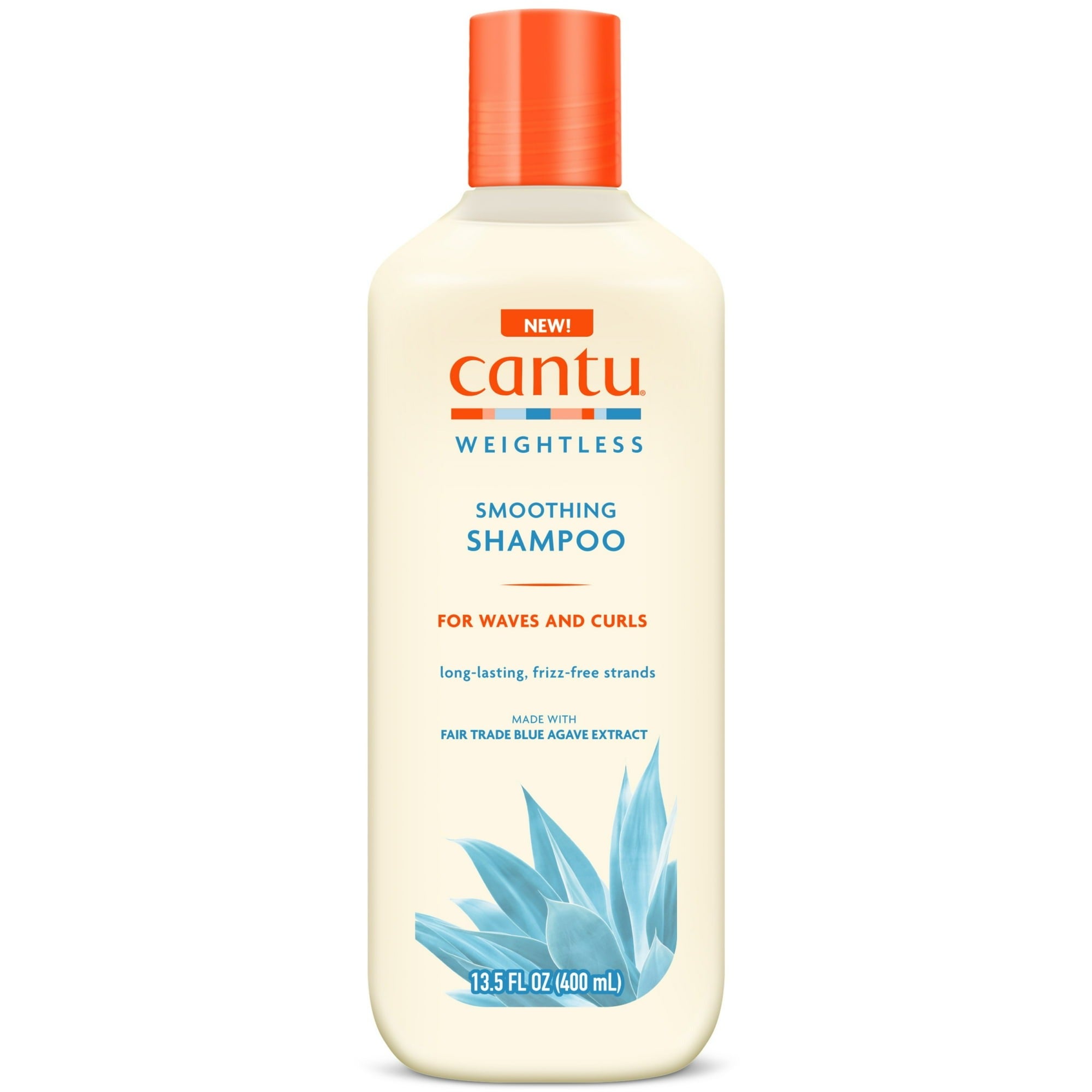
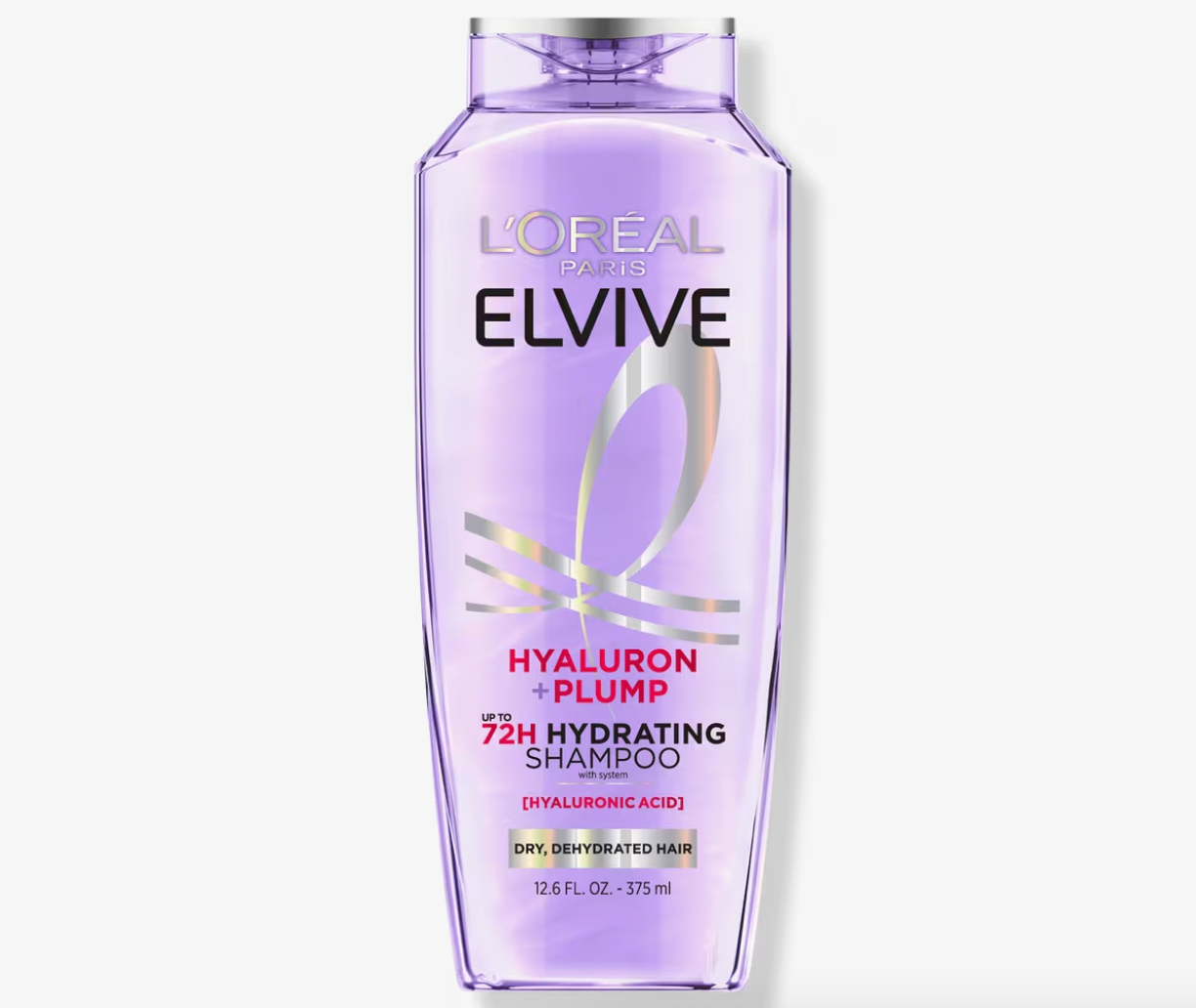
Dr. Adel continues, “Don’t avoid washing your hair out of fear of shedding, as this can actually make things worse. Instead, use gentle shampoos, focus on the scalp [when washing], and try not to use overly hot water.” Since I’ve started washing my hair more regularly — every two to three days, and focusing more on the scalp than the lengths — I’ve noticed far less hair shedding each time.
Dr. Adel adds that aggressive towel-drying, tight hairstyles, excessive heat styling, and even friction from tight scarves and hats can all encourage breakage, so it’s important to be mindful. I swear by a gentle microfiber towel.
When should you see a doctor about hair shedding?
Atoyebi shares a note of encouragement to those experiencing winter shedding: “Although it can be very unsettling, diffuse shedding [where hair sheds evenly across the scalp] does not lead to baldness,” she says. “Provided that the underlying trigger is addressed, this kind of shedding is completely reversible, with regrowth starting as soon as three months after addressing the trigger.”
Lastly, if you’re worried about the rate at which your hair is shedding, Atoyebi recommends seeing your doctor or a certified trichologist for a blood test: “This can help identify emerging deficiencies or hormonal imbalances, allowing for appropriate, clinician-guided supplementation,” she says.
AdvertisementADVERTISEMENT