






SPF Makeup Primers Are Everywhere, But Do They Really Replace Sunscreen?
When it comes to SPF, I believe that you can never have too much of a good thing. And while it’s nothing new for brands to sneak sun protection into tinted moisturizers and foundations (or entire product lines, in the case of makeup artist Nikki DeRoest’s and Cerre Francis’ brand Ciele), I’ve noticed a new category slowly but surely picking up steam: makeup primers with SPF.
We all know there’s nothing but upside to doubling up on sunscreen, but I’ve seen this movie before. When SPF is baked into another product (yay!), it can sometimes create a false sense of security — leading people to skip a dedicated sunscreen step altogether. (Nay.)
AdvertisementADVERTISEMENT
With primers being something of a bridge between your routine skincare and makeup, I tapped a dermatologist for an expert's take on all things SPF primers — and how to stay properly protected while using them. (I’ll also share my current favorites, because several have already found a spot in my daily routine.)
How do SPF makeup primers work?
Some sunscreens — like Supergoop!’s wildly popular Unseen Sunscreen or EltaMD’s UV Clear — are already beloved for their makeup-gripping properties. But primers infused with SPF take that one step further, offering another layer of sun protection while prepping skin for makeup.
Like face sunscreens you already know and love, SPF-infused primers can feature mineral, chemical, or hybrid (aka both mineral and chemical) UV filters. That's alongside their primary role of smoothing and prepping skin for a seamless, long-lasting base with ingredients like dimethicone (which bestows an optical blurring effect) and hyaluronic acid (or its derivatives like sodium hyaluronate) to plump and increase hydration.
How do you use an SPF makeup primer?
To avoid confusion about where SPF primers fit in, I prefer letting my day moisturizer and sunscreen of choice fully absorb (right now, I’m using Caudalie’s Vinosun), then apply primer as the final prep step before foundation. In other words, your primer should still be the first thing your foundation or concealer touches. The catch? They aren’t meant to replace your primary sunscreen.
“When applying a primer, you’ll use just enough to create a smooth base — which usually isn’t enough to achieve the stated SPF on the bottle,” New York-based dermatologist Dr. Elyse Love tells Refinery29. We recommend the “two-finger rule” — applying the length of two fingers’ worth of product — to ensure you’re getting adequate protection from your sunscreen.
AdvertisementADVERTISEMENT
“Layering sunscreen in two steps is a great way to ensure adequate protection,” Dr. Elyse adds. But if you're only using one? “It should be a dedicated SPF — not a hybrid [product with SPF]— because a product’s purpose dictates how much of it you’ll actually apply,” says Dr. Elyse. Put simply, you would need a generous amount of primer to reach the SPF on the label, and no one is realistically applying a cake-frosting-thick layer of primer in the name of sun safety.
The good news? When you use a separate sunscreen, you don’t have to. Dr. Elyse recommends EltaMD’s UV Clear Broad-Spectrum SPF 46: “It's lightweight and oil-free, so it layers seamlessly under primer and makeup without disrupting your finish,” she says. The bottom line? As Dr. Elyse puts it: “SPF in skincare should be thought of as a bonus — not a guarantee.”
What are the best SPF makeup primers?
In the past few weeks, I’ve tried several new SPF primers and am seriously impressed. Had they not had “SPF” on the bottle, I’d assume they were regular, sunscreen-free primers that work just as well as ones designed solely for makeup. Charlotte Tilbury’s Lightweight Invisible UV Flawless Primer SPF 50 feels hydrating and silky, thanks to hyaluronic acid and vitamins C and E, and lends a subtle texture-smoothing effect that creates a level canvas for makeup. Ciele’s new Radiant version of its Prime + Protect SPF 30 delivers a candlelit glow via ethically-sourced mica and looks just as good worn alone as it does under foundation.
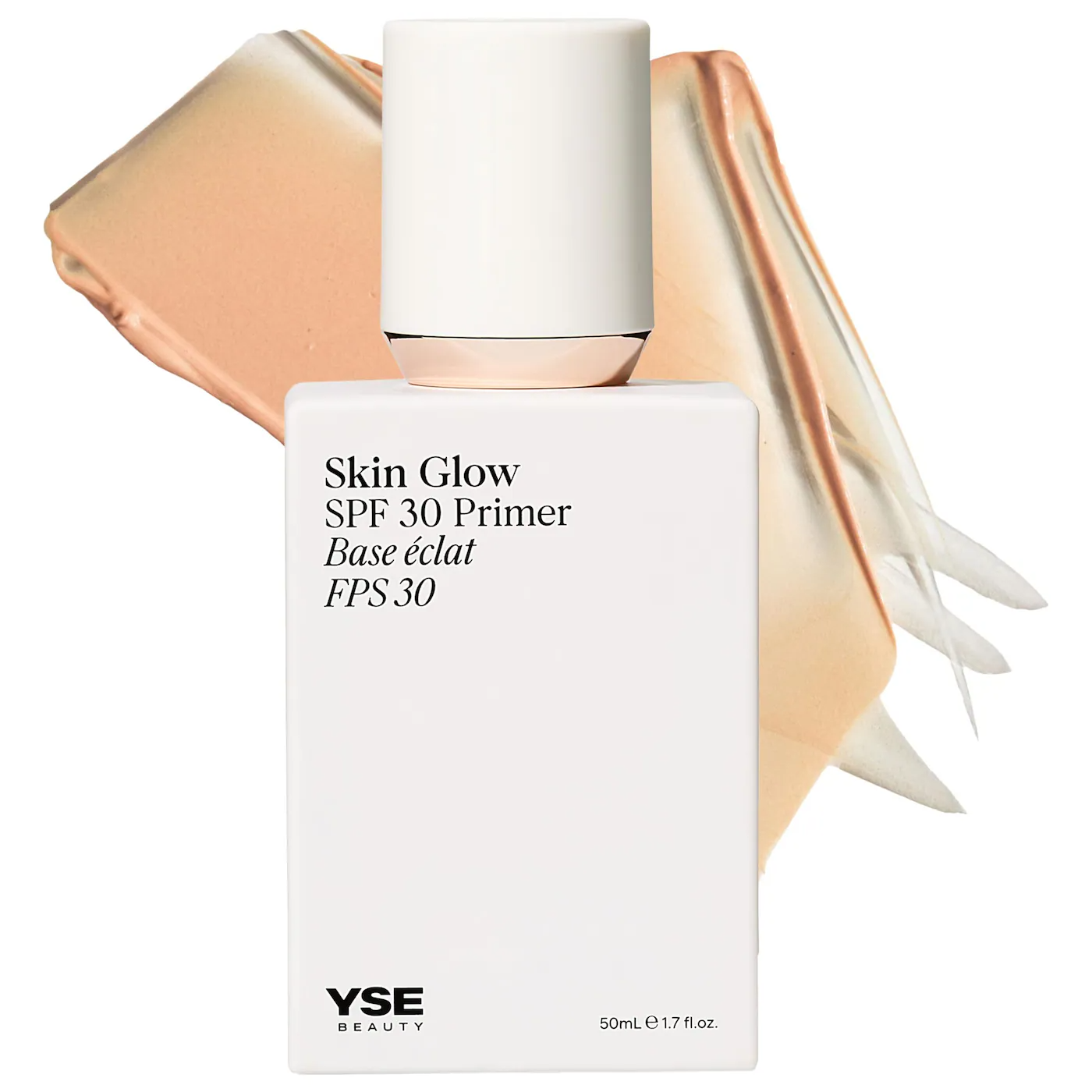
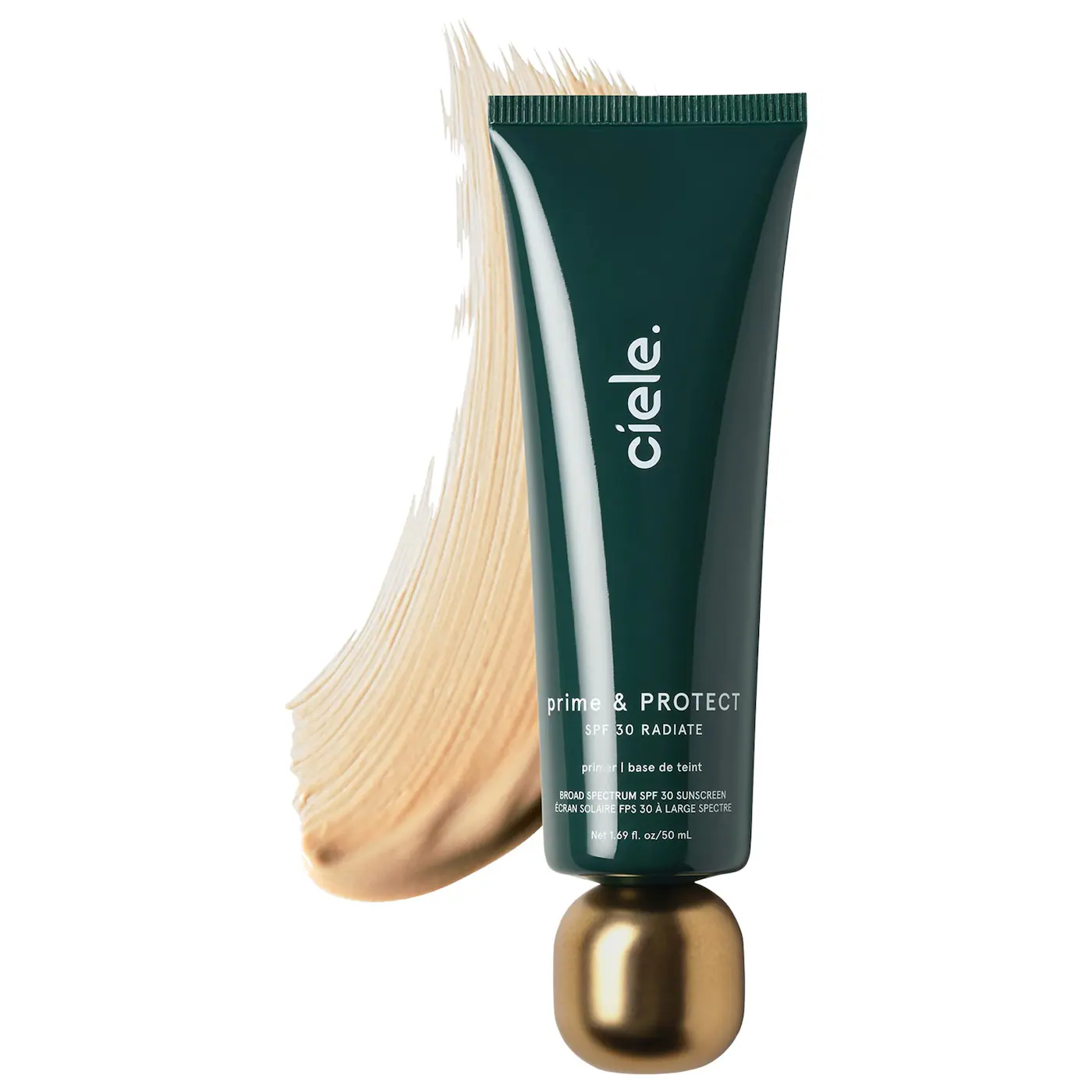
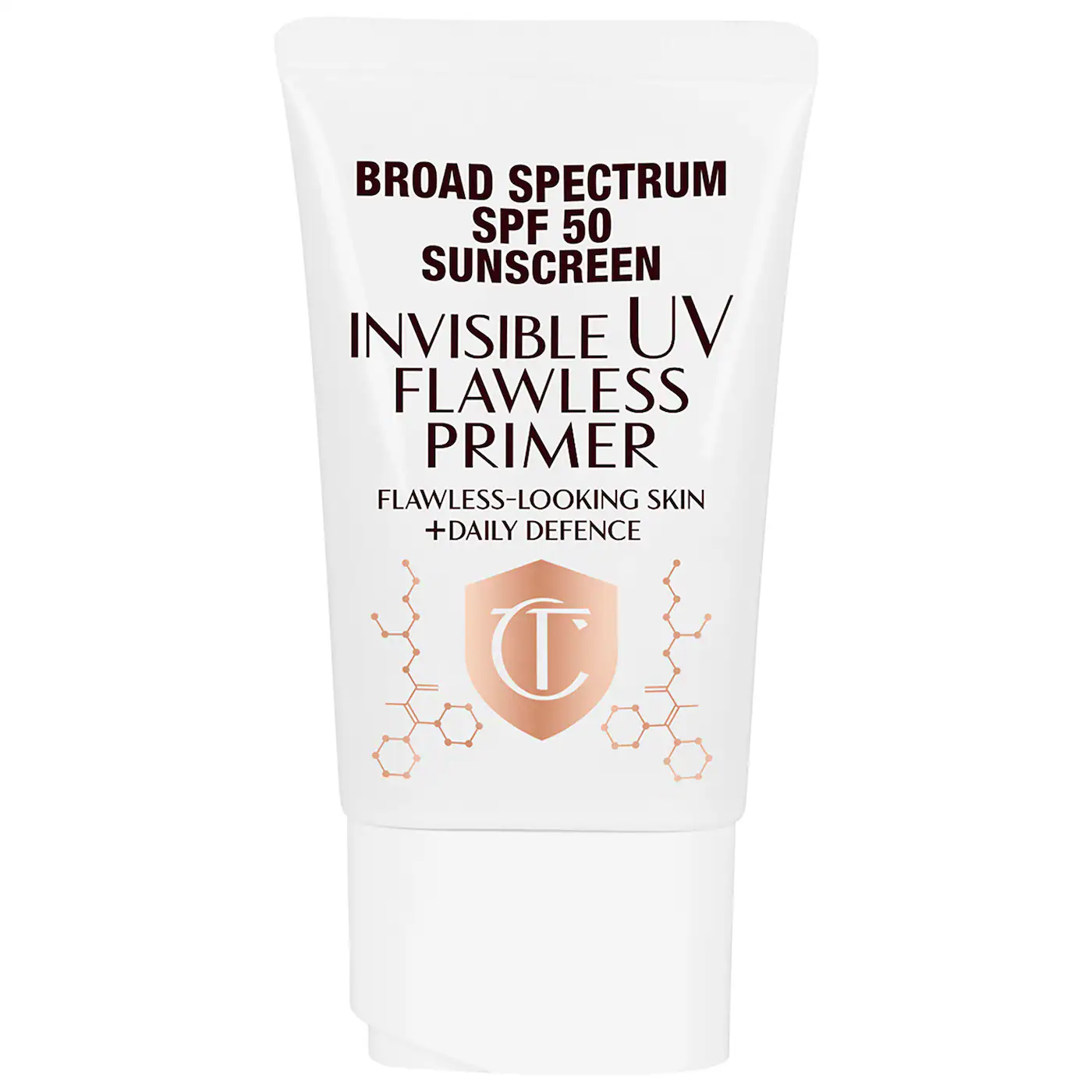
While some makeup primers feel too sticky to apply with fingers, as I do with my sunscreen, none of these SPF-infused offerings feel tacky at all. Since I already applied sunscreen before using them, one or two pumps of primer were more than enough to prep my skin for foundation. And if you're concerned about a white cast — a common gripe with many mineral sunscreens — not to worry: Many makeup primers use chemical UV filters, which go on clear and won't leave a trace of ghostly pallor behind, nor will they interfere with makeup. In Ciele’s case, which uses mineral oxide UV filters, the added tint helps offset any unwanted effects.
AdvertisementADVERTISEMENT
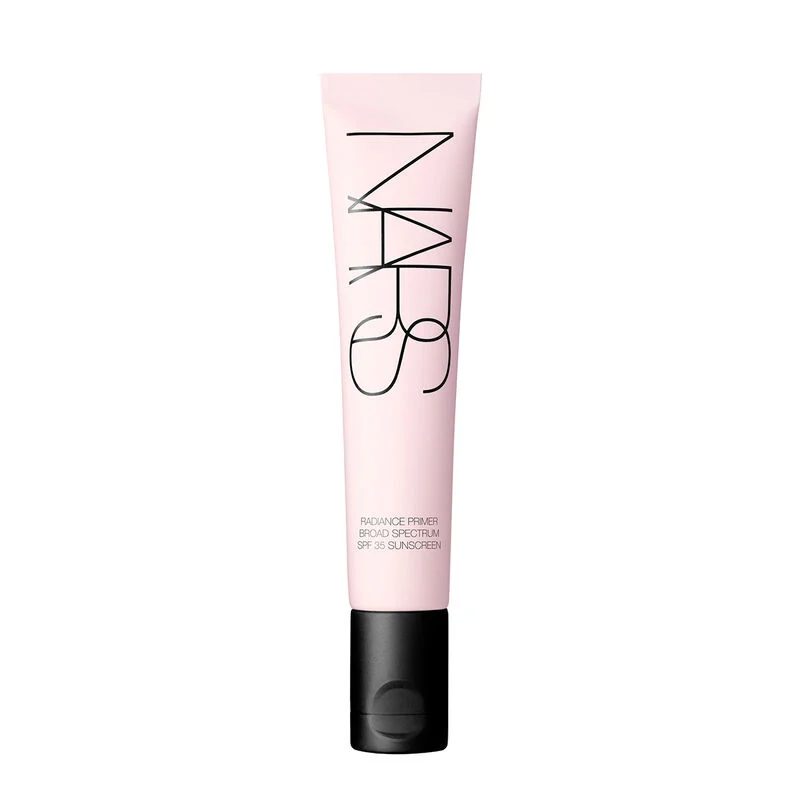
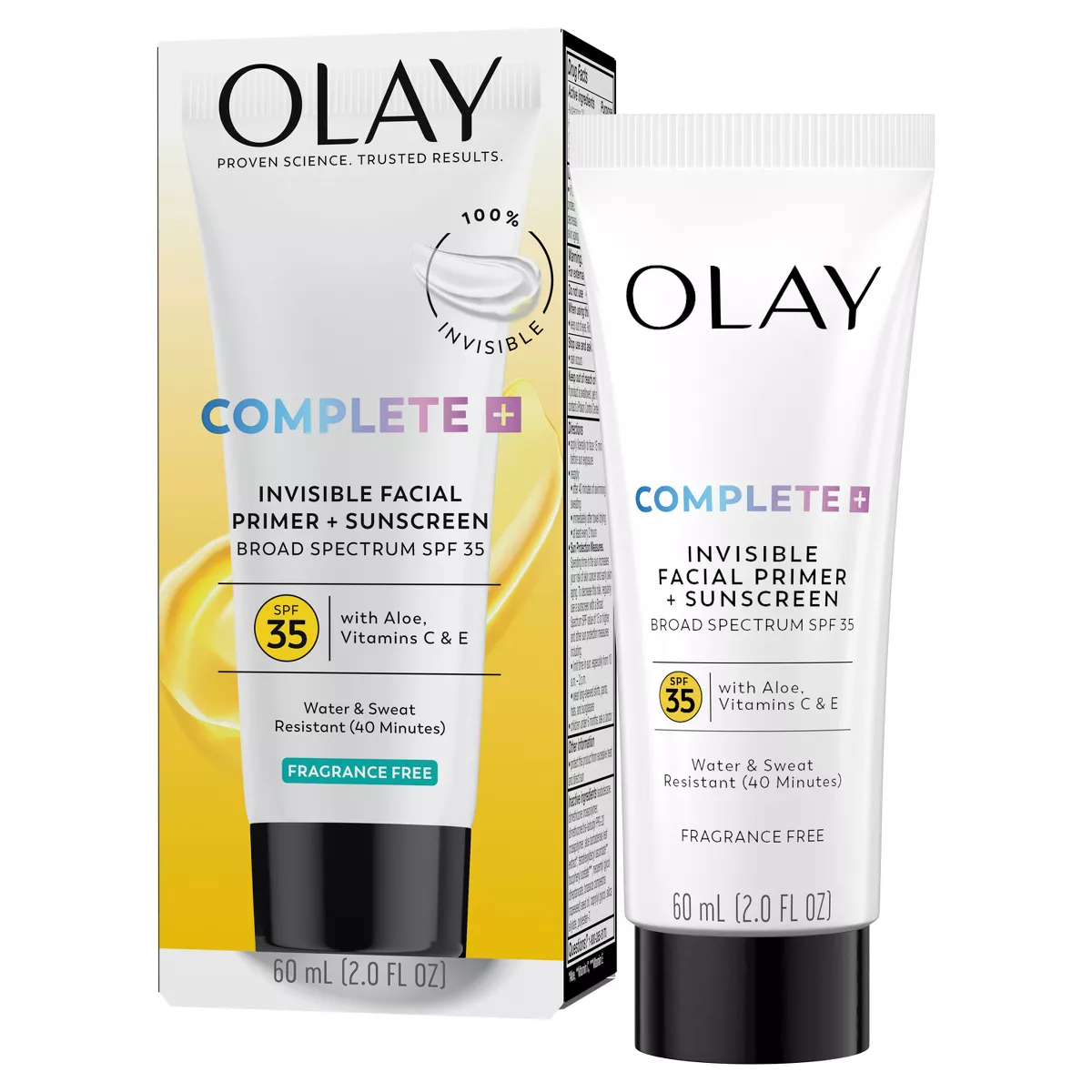
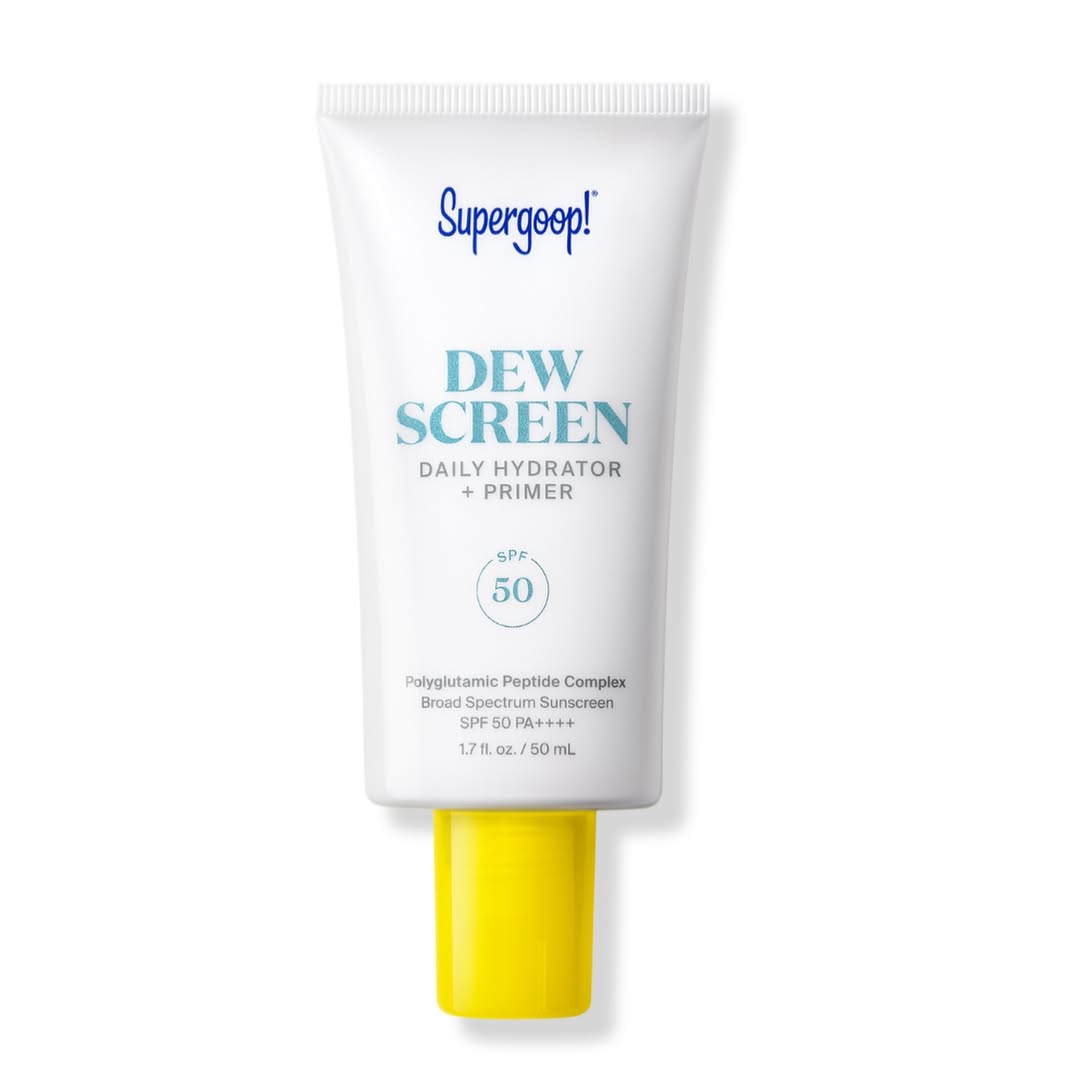
If you notice your makeup pulling a disappearing act by noon, a sunscreen-infused makeup primer may help stretch the wear and appearance of your foundation and concealer, all while adding a hit of SPF protection.
What's more, makeup primers these days don’t just cater to oily types that want to tamp down on shine; hydrating formulas offer long wear benefits for dry skin types, and textures ranging from clear and gel-like (Olay’s $20 drugstore option with SPF 35) to lightweight and hydrating (NARS’ under-the-radar SPF 35 Radiance Primer) offer something for every taste.
AdvertisementADVERTISEMENT