








I Went to Portland & Found a Beautiful Latine Community in These Shops
While Oregon became a state in 1859, Latines have been part of the region for more than 150 years. Arriving mostly from Mexico within decades of statehood and, in some cases, before it, they often came as laborers, working railroads, agriculture, mining, and ranching. And today, the more than 70,000 Latines who call Portland home carry that legacy forward, contributing not only to the city’s economy but to its cultural fabric, politics, and future.
These days, much of the community — still overwhelmingly Mexican, but also shaped by migrants from across Central America, South America, and the Caribbean — are behind the city’s community pillars. During a recent trip to Portland, sponsored by Travel Portland, I experienced these bustling Latine-owned businesses firsthand.
AdvertisementADVERTISEMENT
Credit: Raquel Reichard
I spent the initial hours of my first night at Casa de Ritual, a wellness space and shop selling plant-based beauty and wellness products hand-mixed by owner and curanderista Yvonne Pérez Emerson. Drawing from her Indigenous Mexican and Scottish lineage, she also offers healing services including limpias, rebozo rituals, drum cleansing, and hapé ceremonies. After first holding me in a plática — a heart-to-heart conversation meant to better understand my emotional and spiritual state — I laid down on a bodywork table as she utilized prayer, sacred plants, cleansing smoke, breath, rhythm, and, at times, an egg to clear dense, stagnant energies and attachments throughout my body. The limpia, deeply emotional and beautifully insightful, eased the weight I had been carrying in my mind, body, and spirit, leaving me calm, open, and ready for the weekend ahead.
An adorably walkable city where history and progressive fight live on every corner, some mornings I walked past walls shouting reminders like “the border crossed us” — a popular Mexican saying that speaks to how the U.S. invaded Mexico and claimed its land, turning Mexican residents into so-called immigrants overnight — before grabbing a veggie burrito at Mexican-owned Los Burros Supremos. During the day, I hiked Forest Park, the largest urban park in the country, with Around Portland Tours, learning both about how locals are protecting native flora and fauna as well as the mystical, age-old tales of women who fled and avenged the violence of men, their secrets and mysteries still held safe under the shadowy canopy of the Douglas firs. At night, I made my way to Teatro Milagro, a Latine arts and culture center that’s been serving the community since 1985, to catch Autoretrato de Fridita, a table-top puppetry show telling the story of a young Frida Kahlo and how she used her imagination and a box of paints to help her overcome challenges and create her own world amid the Mexican Revolution.
AdvertisementADVERTISEMENT
Credit: Raquel Reichard
Other days, I was immersed in the city’s often-overlooked history. At the Oregon Historical Society, I learned about the nearly 15,000 Mexican men who came to Oregon during World War II through the Bracero Program, helping sustain the state’s farming and timber industries while U.S. men were deployed, and often experiencing wage theft, dangerous conditions, and segregation in return. At the Portland Museum of Art, I marveled at abstract works by Afro-Puerto Rican artist Iván Carmona Rosario that took inspiration from the mountains of a Caribbean land we both call home. And at Hopscotch, an immersive art experience, I wept in the Secret Garden, a room by artists Paloma Cortez and Pamela Rachel, where participants safely and anonymously share their deepest secrets, trusting strangers to listen and hold them beneath the shelter of artistic tree and bush forms. Finally, I ended the night, and my trip, at Palomar, a tropical, dimly-lit Cuban restaurant-bar, savoring a deeply satisfying jackfruit ropa vieja tostada.
When I boarded my flight back home to Orlando, I was deeply proud of the Latines who, for generations, have carved out home in this Northwest city, and eager to uplift their stories, spaces, and brands.
Orox’s Leather Goods
The people have spoken, and they have named Orox the best-smelling shop in Portland. The scent of warm leather may initially draw passersby into the store and workshop in the city’s Old Town district, but it’s the quality of the handbags, aprons, and jackets — and the multi-generational story behind each piece – that keeps them coming back.
AdvertisementADVERTISEMENT
The story of Orox — a play on Oregon and Oaxaca, the Mexican city where its origins begin — dates back to 1933, when Don Felipe Martínez Audelo began crafting custom leather baseball gear and belts for his own team, Los Audelos. His grandson, José, would later hone the family trade in Japan, where he spent years developing and manufacturing his own leather designs. When José eventually returned to Oaxaca, he believed he would leave the craft behind. Instead, his son, Martín, moved to Portland, studied business, and reignited the family legacy.
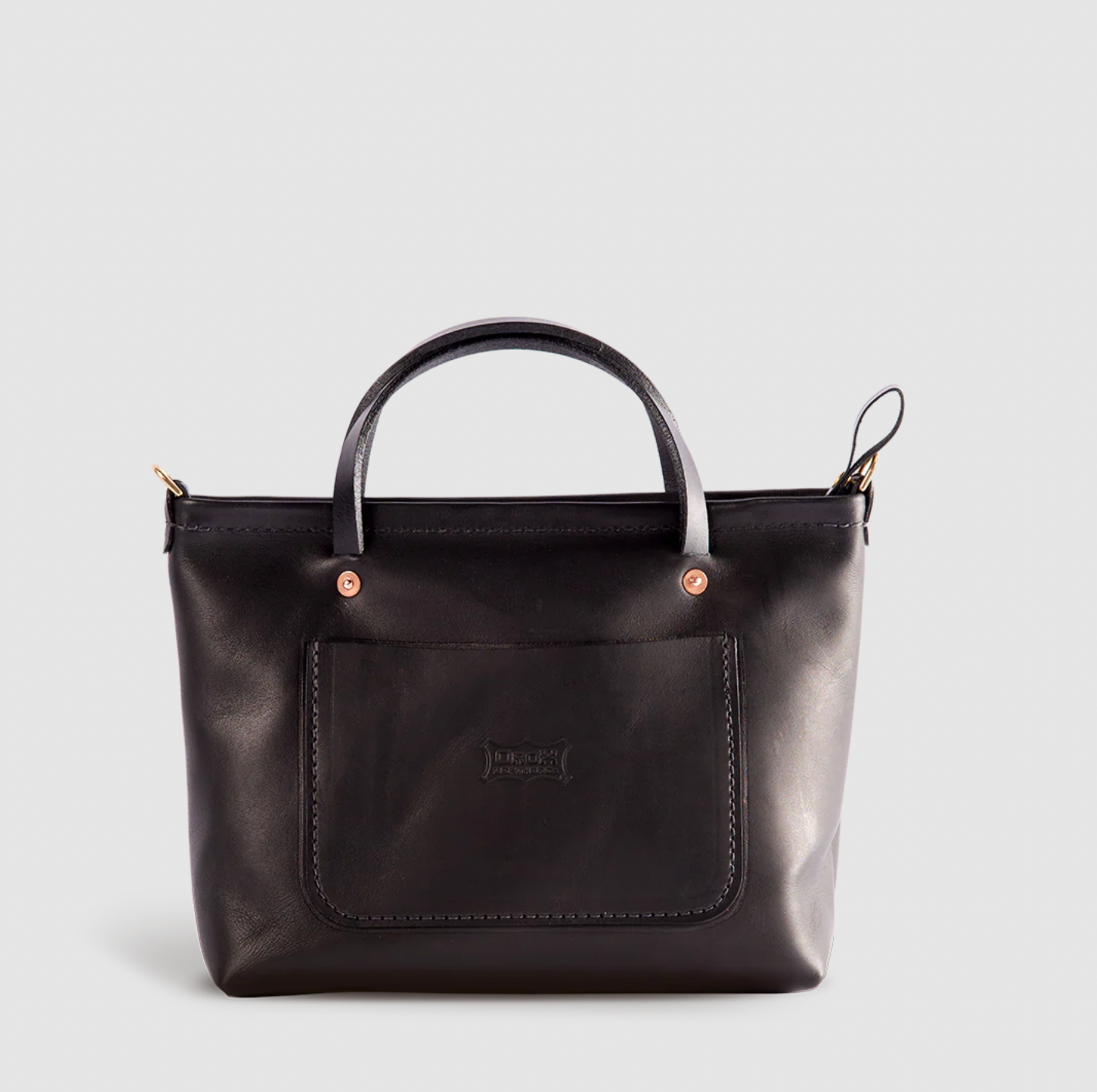
Today, Orox is a family-owned and -run business, grounded in the belief that family is formed not only through blood but also through chosen bonds. From the aprons worn by restaurant chefs, to the purses slung over women’s shoulders, to the journals university students fill with notes, each piece proudly carries the Orox name.
And the leather goods, designed by José in Oaxaca and handcrafted and assembled in the Portland shop, are made to last lifetimes. “We aim to create high-quality, durable goods that, while stylish, don’t go in and out of style,” the website notes of its items. “We hope that our products will be used and loved for years, and eventually passed on to the next generation.”
Make & Mary’s Wellness Essentials
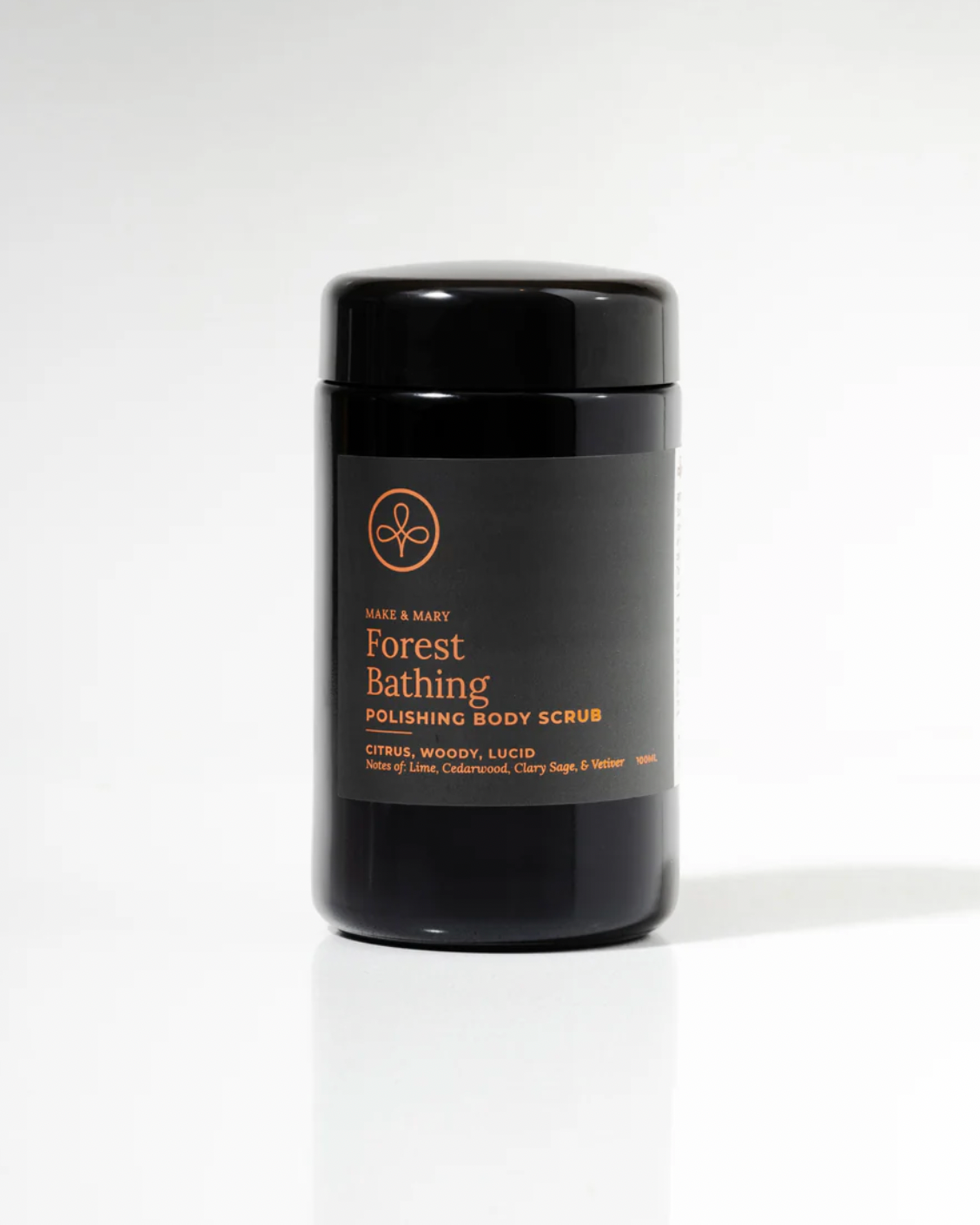
Drawing inspiration from her ancestral lineage — Mexican and Scottish — herbalist and curandera Yvonne Pérez Emerson uses earth-based wisdom to grow, blend, and bottle botanical offerings through her brand Make & Mary. Since 2016, the brand has crafted and refined wellness and beauty creations that are natural, cruelty-free, vegan, and thoughtfully low-waste. The brand carries face serums formulated with rosehip seed, wild carrot seed, and rose geranium; bath essentials like Forest Bathing Body Polish, made of mango, shea, lime, vetiver, and clary sage; nourishing Armonía Cacao Hemp teas; and home goods, like the delicious Soulshine Ritual Essential Oil Candle, with notes of palo santo, holy basil, and ylang-ylang. The brick-and-mortar shop in Portland’s Alberta Arts District, where Pérez Emerson produces her entire line, also houses Casa de Ritual, a space for deeply spiritual and transformative self-care rituals and events.
AdvertisementADVERTISEMENT
Arium’s Houseplants
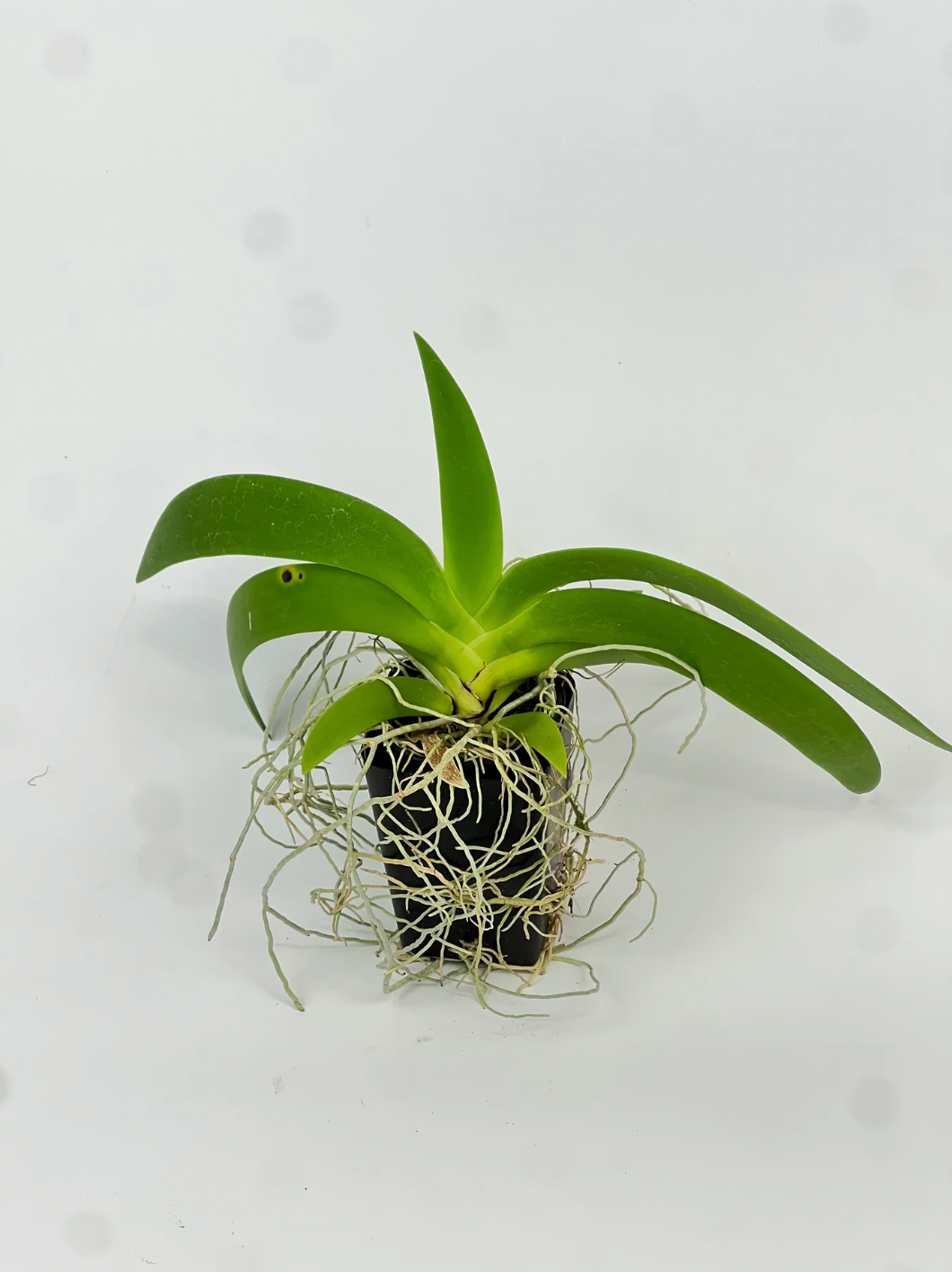
With the belief that “there is a plant out there for everyone,” Tylor Rogers and Alba Sanchez founded Arium, Latin for “a space or vessel that contains something,” in 2017. The queer-, Latine-, and vegan-owned houseplant shop is a safe space where all, regardless of gender, immigration status, or religion, are welcome — and where no question about plants is silly or illegitimate. It's a space for learning about and taking home unusual plants. It nurses smaller Agraecum leonis, Ceropegia ampliatas, and Dracaena masonianas as well as larger Monstera deliciosas, Dracaena marginatas, and Ficus elasticas. Even more, they work with small businesses and makers for its stunning selection of handmade planters and ceramics.
Nossa Familia Coffee
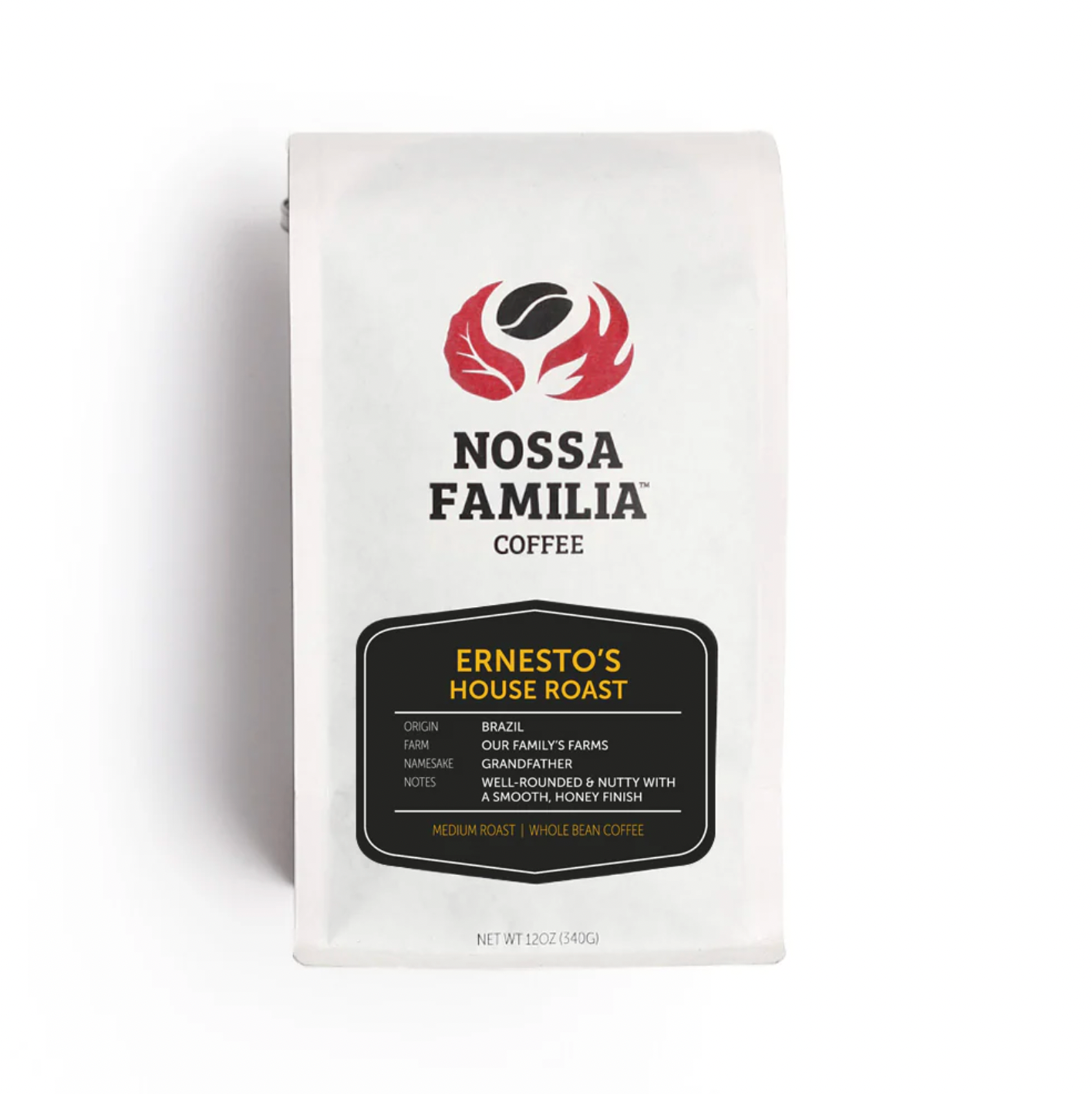
Nossa Familia Coffee was founded in Portland in 2004, but owner Augusto Carneiro comes from a lineage of coffee growers in the highlands of his homeland, Brazil, that dates back to the 1890s. After a career in mechanical engineering left him unfulfilled, he found his thoughts drifting back to his childhood and the time he spent working on his family’s coffee farms in Brazil. Nossa Familia, Portuguese for “our family,” ultimately brought those reveries, and ancestral traditions, into his new life in the Northwest. But his business, which now comprises a Portland-based roastery and two zero-waste cafés, is still deeply rooted in home, working with coffee-growers in Brazil as well as in Guatemala, Nicaragua, Peru, Ethiopia, and more.
La Familia Cider
As a first-generation Mexican immigrant family, the Gonzalezes wanted to create something that was at once Oregonian and Mexican. When wife and mother Shani tasted locally-made cider, she had the idea of combining Oregon’s new craft cider movement with Mexico’s passion for fresh-fruit drinks. After convincing her husband and children, La Familia Cider, founded in 2017, was born.
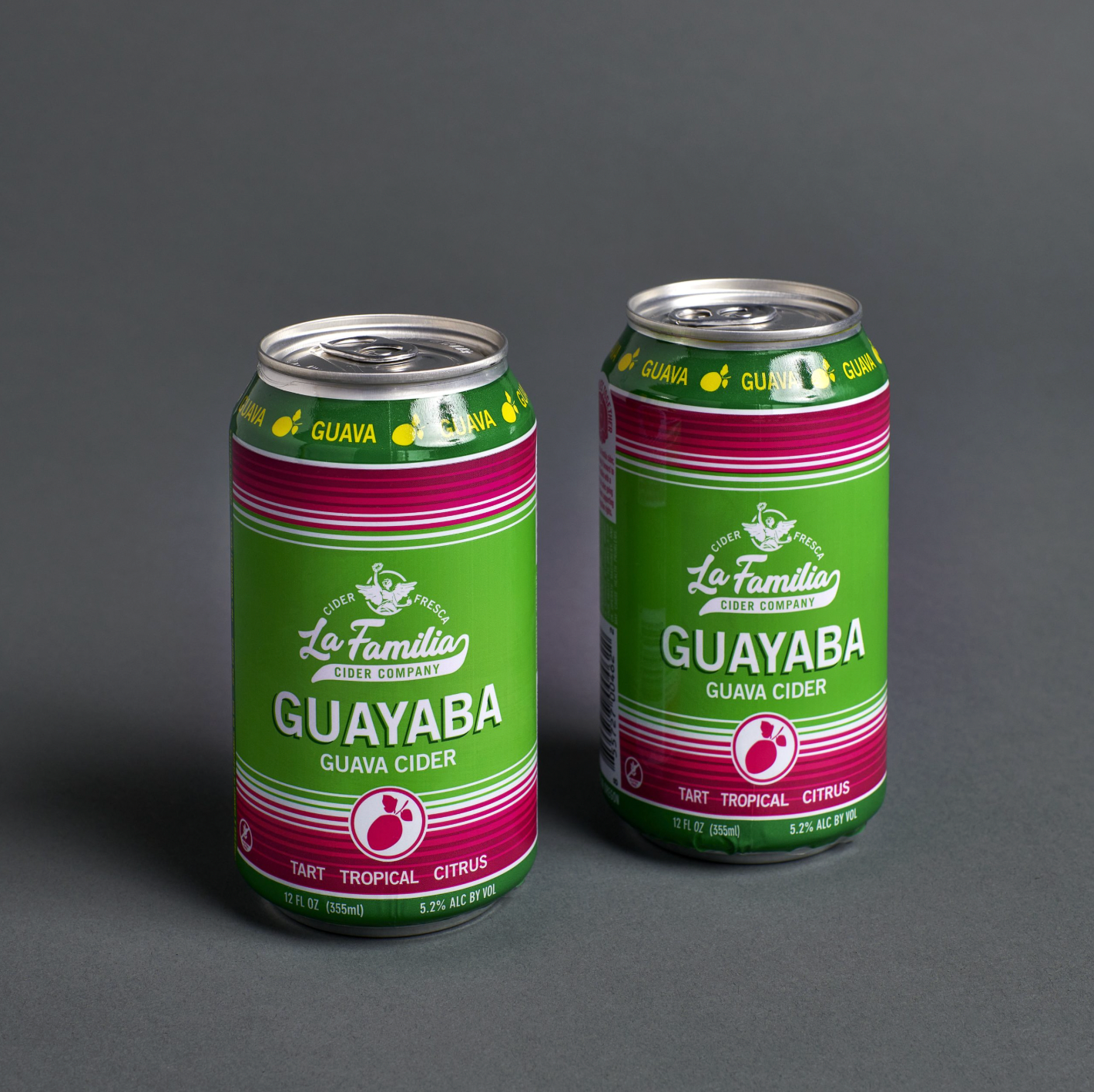
Every cider is crafted with 100% Northwest apple juice, using mainstay flavors like manzana, tamarindo, and hibiscus (or the seasonal guayaba flavor) to offer distinctive hard ciders inspired by Mexico’s aguas frescas. Named “Best Taproom of Salem, Oregon,” La Familia operates out of Salem and Portland, and can be found in more than 500 local shops around Oregon and Washington. Helping the cider taste even sweeter: a percentage of La Familia Cider’s profits are donated to organizations supporting immigrants’ rights.
AdvertisementADVERTISEMENT