







Peptides Are Everywhere In Skincare, Here’s How To Use Them Correctly
Photographed by Ramona Jingru Wang.
If you're suddenly seeing the word "peptides" everywhere, you might be wondering if it's actually important for your skin health, or if it's a marketing trend trying to fool you. It's hard to wade through the new, flashy ingredients that are constantly served up on a platter to us via social media, but Integrated Facialist April Brodie tells Refinery29 Australia this is one trend we should stop and take notice of. "This isn't just marketing noise — it reflects a shift toward more intelligent, skin-communication formulations," Brodie says. "Peptides act as messengers within the skin, supporting collagen production, repair, and overall skin integrity."
AdvertisementADVERTISEMENT
What are peptides?
Along with supporting collagen production, repair and skin integrity, peptides are suitable for all skin types. "Peptides are incredibly inclusive, but they're particularly transformative for skin experiencing sensitivity, dehydration, or loss of firmness," Brodie says. "They're also ideal for clients who want results without inflammation." The reason peptides have re-entered the conversation in a big way is due to the way peptides are delivered. Due to new formulations, they're able to change your skin rather than just sitting on the surface.
What are the biggest mistakes people make with peptides?
According to Brodie, there are four major mistakes you can make when integrating peptides into your routine. Firstly, you shouldn't expect immediacy. It takes time for the peptides to work, and they're about long-term skin health rather than an overnight transformation. Secondly, you need to prioritise your skin barrier. "Layering them into overly aggressive routines that compromise the barrier [will] ultimately limit their effectiveness," she says. You should also choose products where peptides are used functionally, as there are some products on the market that slap peptides in as a marketing afterthought. Finally, if you use peptides without hydration, that's a big no-no. "Peptides thrive in a well-supported, hydrated skin environment," Brodie explains.
Are peptides better to use than retinol or retinal?
Peptides are different to retinoids, so you can use both in your skincare routine. It's not either or. "Retinoids are corrective and transformative, accelerating cell turnover and targeting concerns like pigmentation and acne," Brodie says. "Peptides, however, are supportive — they strengthen, repair, and optimise skin function. The most sophisticated routines don’t choose between them; they layer intelligently, using peptides to support and balance the effects of stronger actives."
AdvertisementADVERTISEMENT
What should you look for with peptide skin care, and are there any you should avoid?
According to Brodie, the best products to buy are those with good formulation integrity. This means clinically supported peptide complexes, packaging that preserves stability (like airless pumps) and elegant delivery systems. As for what to avoid? Anything that's a little extra. "Formulations that attempt to do too much, particularly those combining peptides with overly aggressive actives in a way that compromises both efficacy and the skin barrier," the Integrated Facialist says.
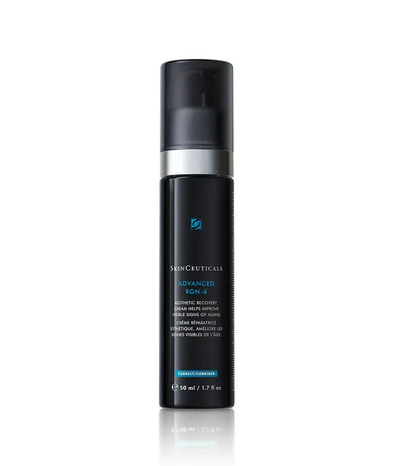
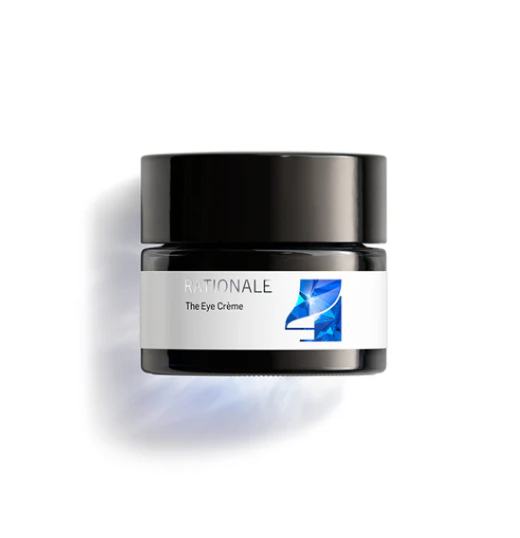
Brodie recommends SkinCeuticals Advanced RGN‑6 Recovery Cream, $299, as it's a dermatologist-trusted brand. "This formula is developed to support skin repair and elasticity while delivering rich hydration — perfect for smoothing fine lines and strengthening texture as part of a peptide-forward routine," she says. Another product to add to your cart is RATIONALE's #4 The Eye Crème, $198, a luxury purchase which can help combat dark circles, puffiness and signs of ageing. "It combines targeted actives with a nourishing texture to support firmness and resilience in the delicate eye area, making it an elevated choice."
Want more? Sign up for our newsletter to get the best of Refinery29 Australia straight to your inbox.
AdvertisementADVERTISEMENT