






6 Korean Beauty Trends Shaping 2026: Moving From “Glass Skin” To “Bloom Skin”
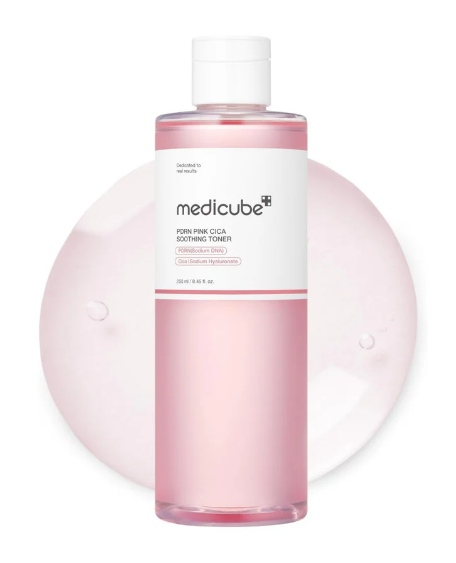
Photo: Courtesy of Medicube.
Korean beauty has always been leaps and bounds ahead in skincare and products, but even more innovations are headed our way for 2026. While "glass skin" has been trending for a while, integrated facialist April Brodie tells Refinery29 Australia we should aim for "bloom skin" in 2026. This means we want to see even-toned, strengthened and hydrated skin that looks healthy rather than glossy. Surprisingly, Korean skincare products are on the affordable side, and it's easy for newbies to get started.
Ahead, we break down the six Korean beauty trends for this year, and delve into why you need to hop on board sooner rather than later.
AdvertisementADVERTISEMENT
If you're new to Korean beauty and skincare, what do you need to know?
If the thought of buying Korean beauty products feels overwhelming, let us break it down for you. The key here is consistency, rather than complexity — so you don't need a thousand-step routine. "Start with the essentials: cleanse gently, hydrate deeply, treat intentionally, and protect daily," the integrated facialist says. "The globally admired Korean glow is not created by viral products or miracle creams — it comes from disciplined routines, skin-barrier respect, and scientifically supported formulations."
Why is Korean beauty so popular on TikTok and with Gen-Z?
According to Brodie, K-beauty has become a favourite amongst younger consumers due to pricing and results. "It combines education, visible results, innovation, accessibility and affordability," she says. "Younger audiences are highly ingredient-literate and respond to brands that explain what products do and why they work. Price is a major factor — K-beauty delivers advanced formulations at accessible price points, making it appealing to Gen-Z and digital-first consumers."
What are the 6 Korean beauty trends shaping 2026, and how can we achieve them in Australia?
1. Biotech and “smart beauty”
"The next evolution of K-beauty is being driven by biotechnology, dermatological research, and ingredient transparency. Lab-engineered botanicals, bio-fermented actives, and advanced cellular-support ingredients are moving into the mainstream. The brands that will lead globally are those combining authentic innovation with scientific credibility and honesty. In Australia, consumers can access this shift by choosing formulas backed by clinical testing and evidence-based actives rather than marketing trends," Brodie says.
AdvertisementADVERTISEMENT
2. From “glass skin” to “bloom skin”
"The aesthetic is evolving from ultra-reflective glass skin to what I call bloom skin — hydrated, strengthened, even-toned skin that looks naturally luminous rather than glossy," the integrated facialist says. "Radiant skin is created through barrier health, consistency, and discipline, not quick fixes. Achieving this look comes down to hydration layering, gentle exfoliation, and barrier-repair ingredients."
3. Skincare meets tech: AI and personalisation
"Technology is becoming an essential partner in skincare. AI analysis and diagnostic tools now allow real-time assessment of hydration, pigmentation, sensitivity, and barrier integrity," she explains. "This means routines and treatments can be adjusted dynamically. In Australia, clinics and advanced retailers are already integrating skin analysis devices that personalise recommendations at each visit."
4. Non-invasive and preventative treatments
"There is a clear shift away from aggressive correction and toward preventive skin health," Brodie claims. "Treatments such as microneedling, radiofrequency, skin boosters, and advanced facials are favoured because they strengthen the skin over time rather than forcing rapid change. This reflects the Korean philosophy that long-term results come from supporting the skin’s function, not overriding it."
5. Sustainability, ethics and clean beauty
"Transparency is becoming just as important as performance. Consumers want to know where ingredients come from, how they are processed, and whether formulations are ethical and sustainable. Korean brands are responding with traceable sourcing, refillable packaging, and environmentally responsible production — expectations that Australian consumers increasingly share."
6. Expansion into hair, scalp and holistic care
"K-beauty is expanding beyond facial skincare into full skin-health ecosystems. The skinification of haircare means scalp serums, microbiome-supporting shampoos, and follicle-focused treatments are becoming standard. Beauty is shifting toward a holistic model that connects skin, hair, internal health, and lifestyle."
AdvertisementADVERTISEMENT
Which Korean skincare products are a must-buy in 2026?
Brodie recommends products that support your barrier repair, regeneration, and long-term skin function. We're trying to treat the skin proactively, rather than reactively. "These categories align with the industry's shift toward functional skincare that improves skin health over time, not just appearance in the moment," she notes.
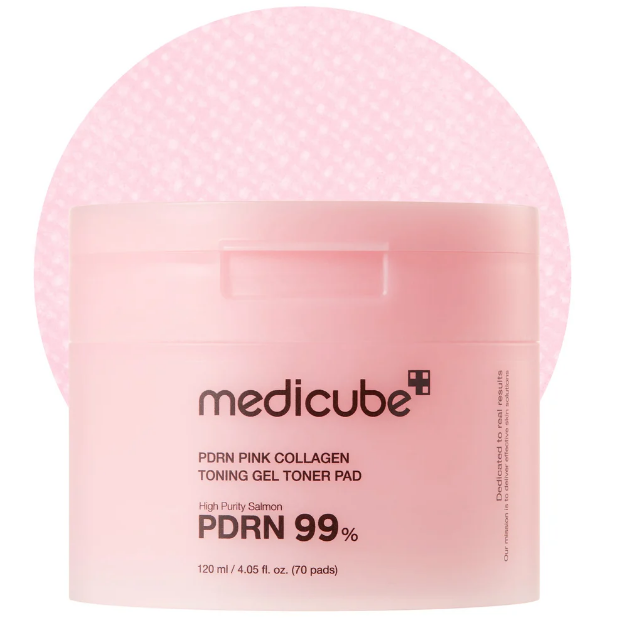
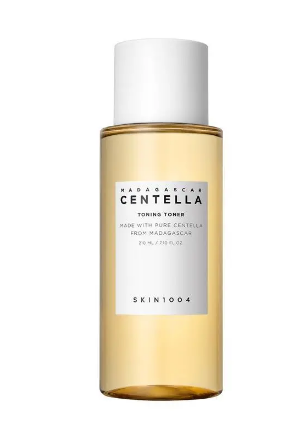
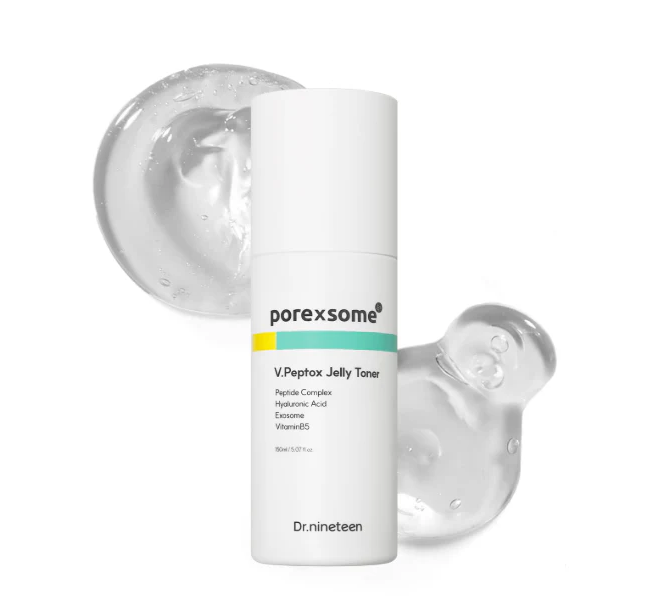
If you're looking for skin repair and hydration, she recommends the Medicube PDRN Pink Cica Soothing Toner, $33. For sensitive and reactive skin, the pure centella formula of the Skin1004 Madagascar Centella Toner, $22.99, will help with barrier strengthening. A lightweight, jelly-textured toner such as Dr.nineteen's PoreXsome V.Peptox Jelly Toner, $39.95, will give you a cloud-skin effect and deep hydration. Finally, Brodie also recommends the Medicube PDRN Pink Collagen Toning Gel Toner Pad, $35 for gentle exfoliation, hydration and treatment all in one step.
Want more? Sign up for our newsletter to get the best of Refinery29 Australia straight to your inbox.
AdvertisementADVERTISEMENT